If you want a suburb that feels established, connected, and easy to live in, North Richland Hills deserves a close look. For many buyers, the challenge is finding a place that balances everyday convenience with the kind of amenities that actually improve your routine. This guide will help you understand what life in North Richland Hills looks like, from housing and parks to commuting and dining, so you can decide whether it fits your next move. Let’s dive in.
What Living in North Richland Hills Feels Like
North Richland Hills sits in the Mid-Cities area of the Dallas-Fort Worth metroplex, which gives you a central location with access to major employment, travel, and entertainment hubs. City materials describe it as a community with strong civic amenities, broad regional access, and a lifestyle built around parks, recreation, and public spaces.
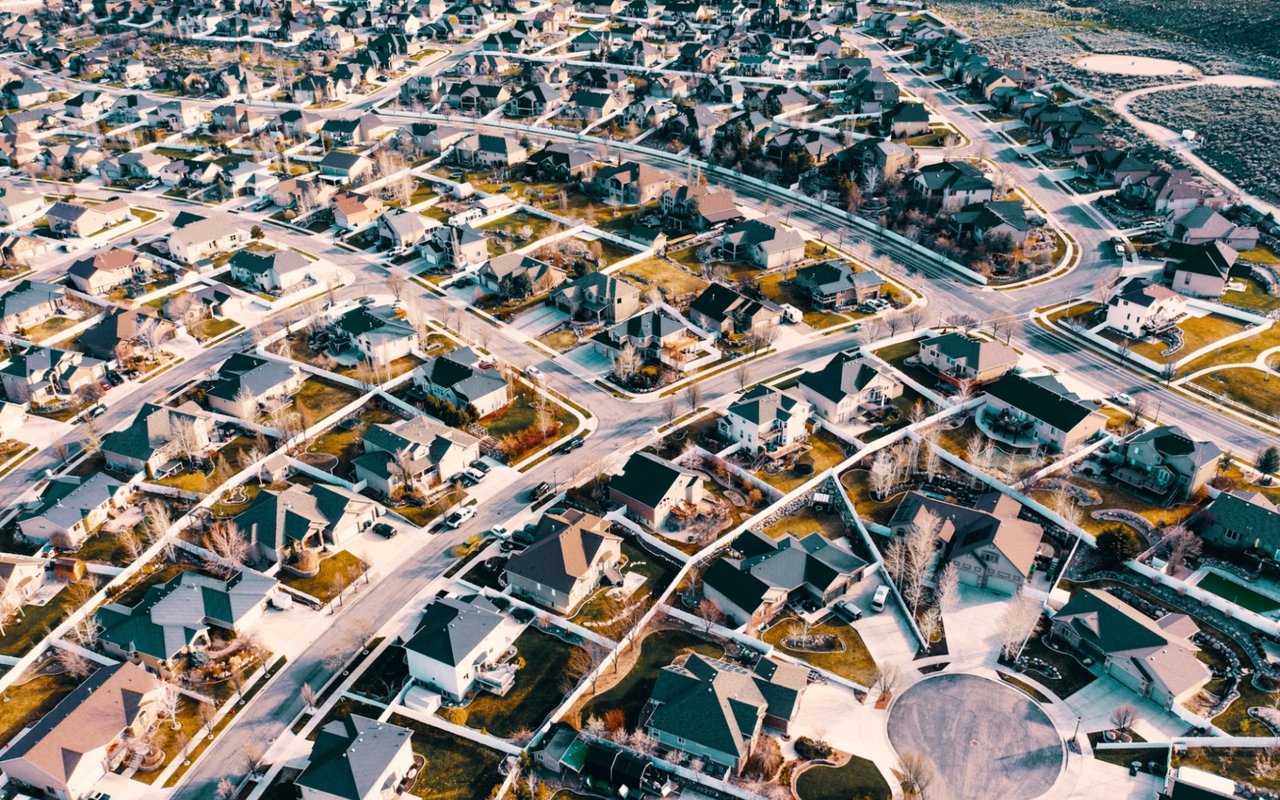
It also reads as a mature suburb rather than a fringe growth area. The city is more than 90% developed, which means the overall feel is more established and built-out than many outer-ring communities. If you prefer a place with existing neighborhoods, city services, and daily conveniences already in place, that can be a major advantage.
Resident feedback supports that impression. In a 2023 city survey, 88% of residents rated quality of life as excellent or good, and 87% said they would recommend North Richland Hills to a friend or family member.
North Richland Hills by the Numbers
North Richland Hills had an estimated 71,436 residents in 2024, along with 27,446 households. Census data also shows a 63.5% owner-occupied housing rate, which points to a market with a solid base of long-term homeowners.
The age mix is another clue to the city’s overall character. About 22.1% of residents are under 18, and 17.1% are age 65 and older. In practical terms, that suggests a community with a wide range of household types rather than a one-note market.
For housing costs, Census QuickFacts reports a median owner-occupied home value of $360,700 and a median gross rent of $1,704. These figures are broad benchmarks, but they can help you frame your search if you are comparing North Richland Hills with other nearby suburbs.
Housing Style and Neighborhood Patterns
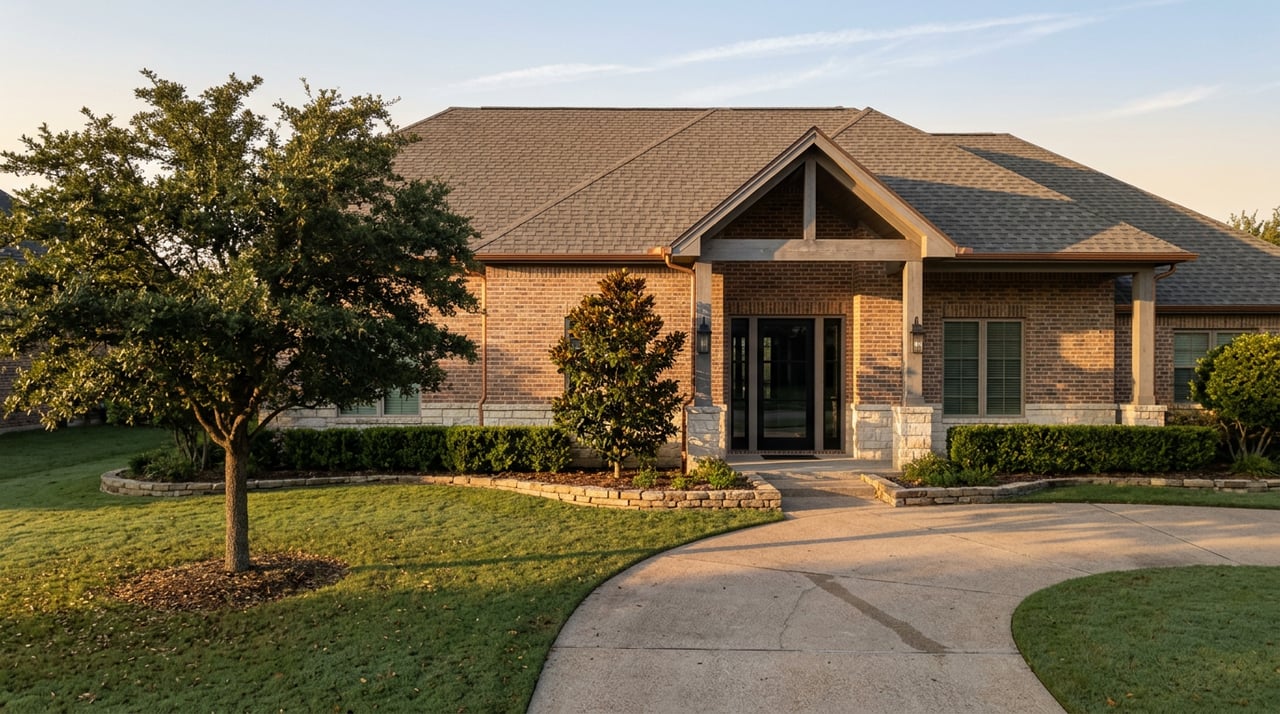
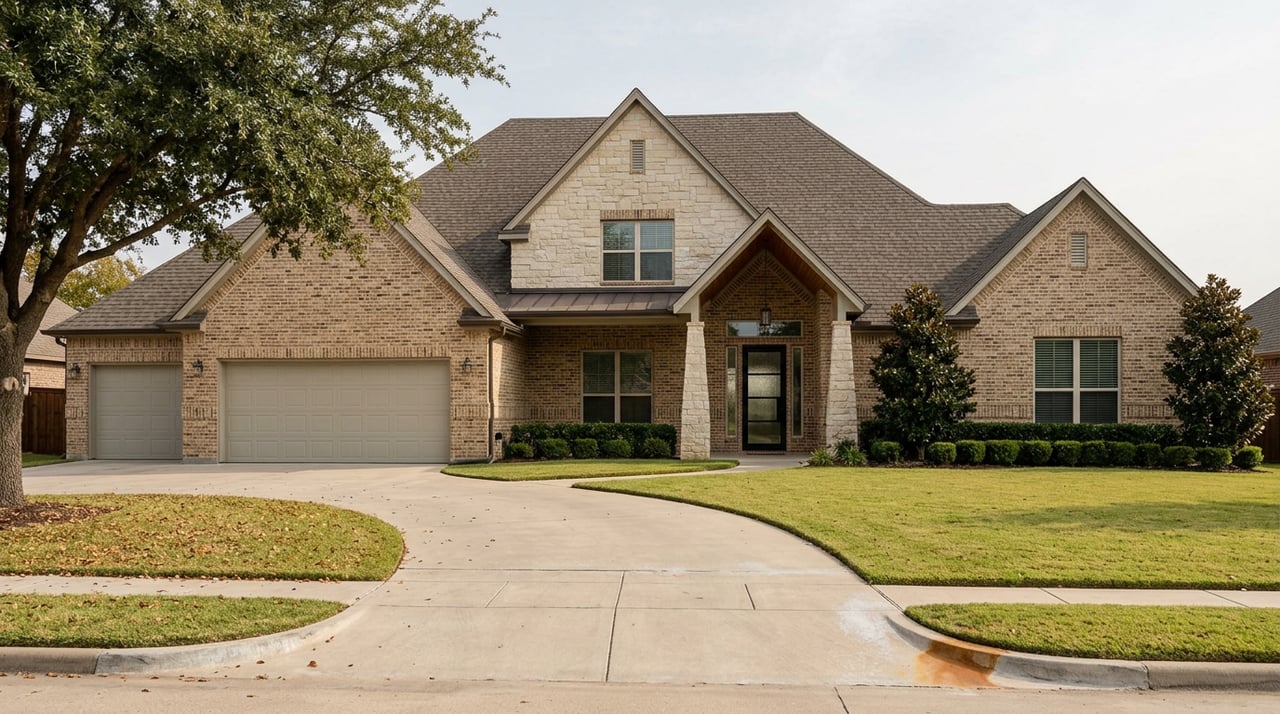
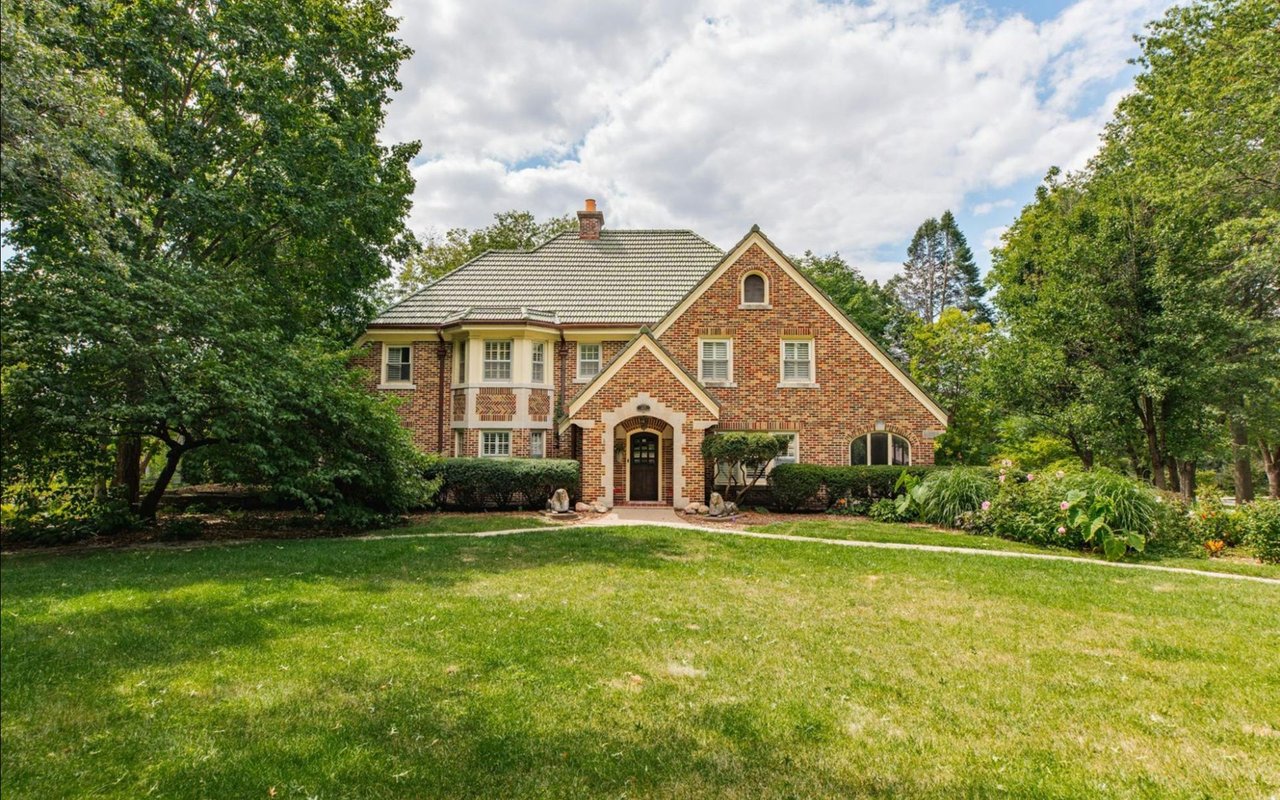
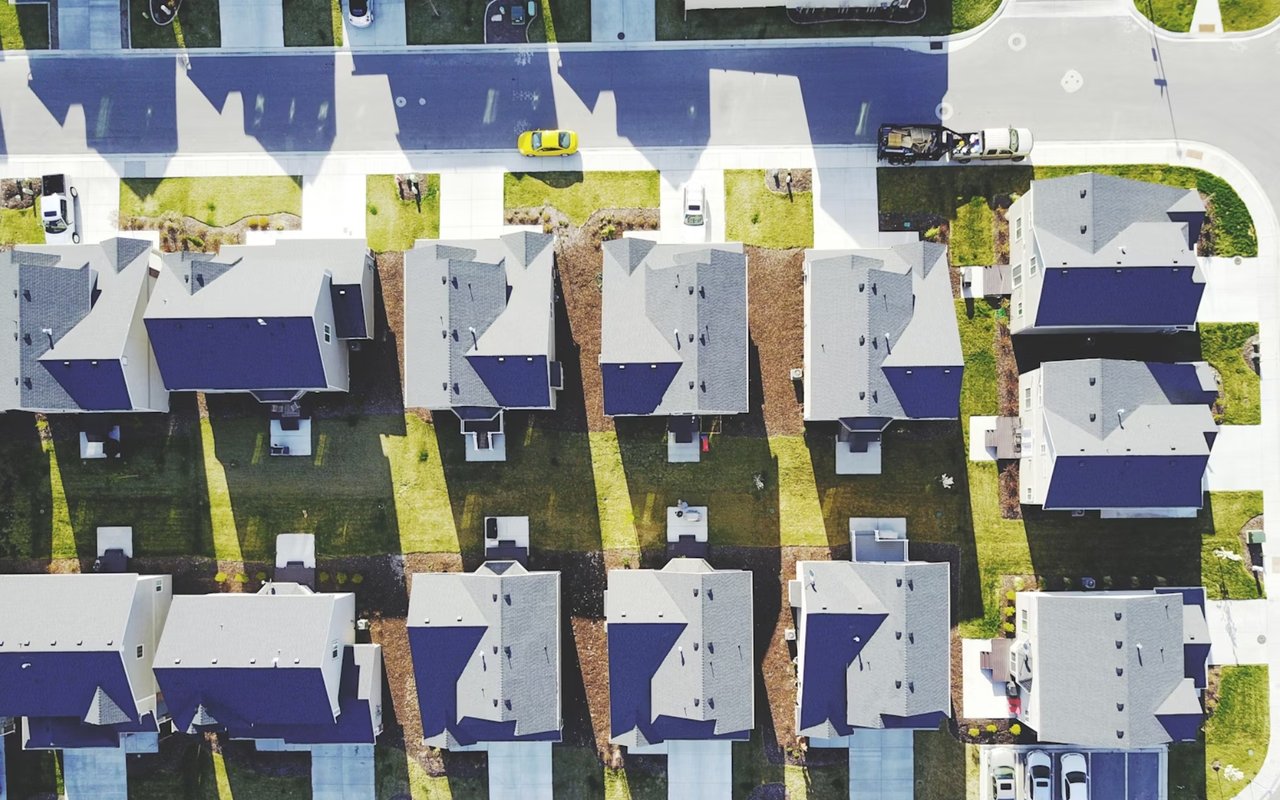
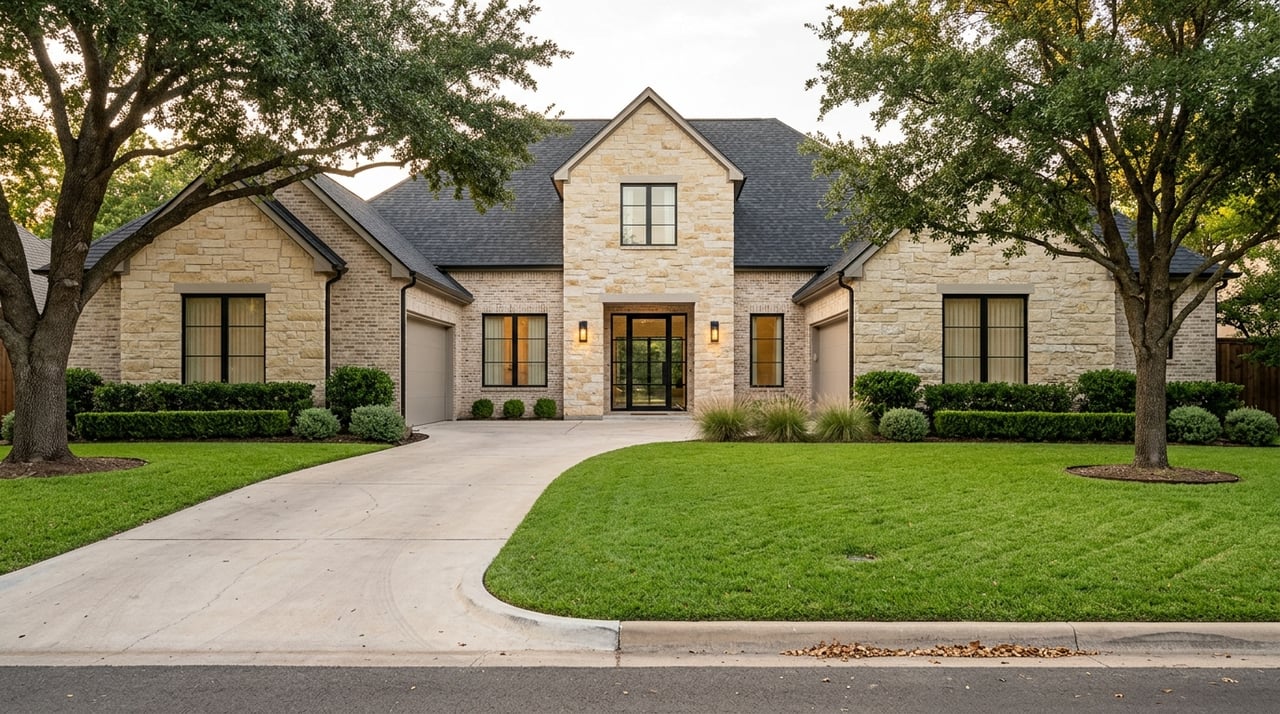
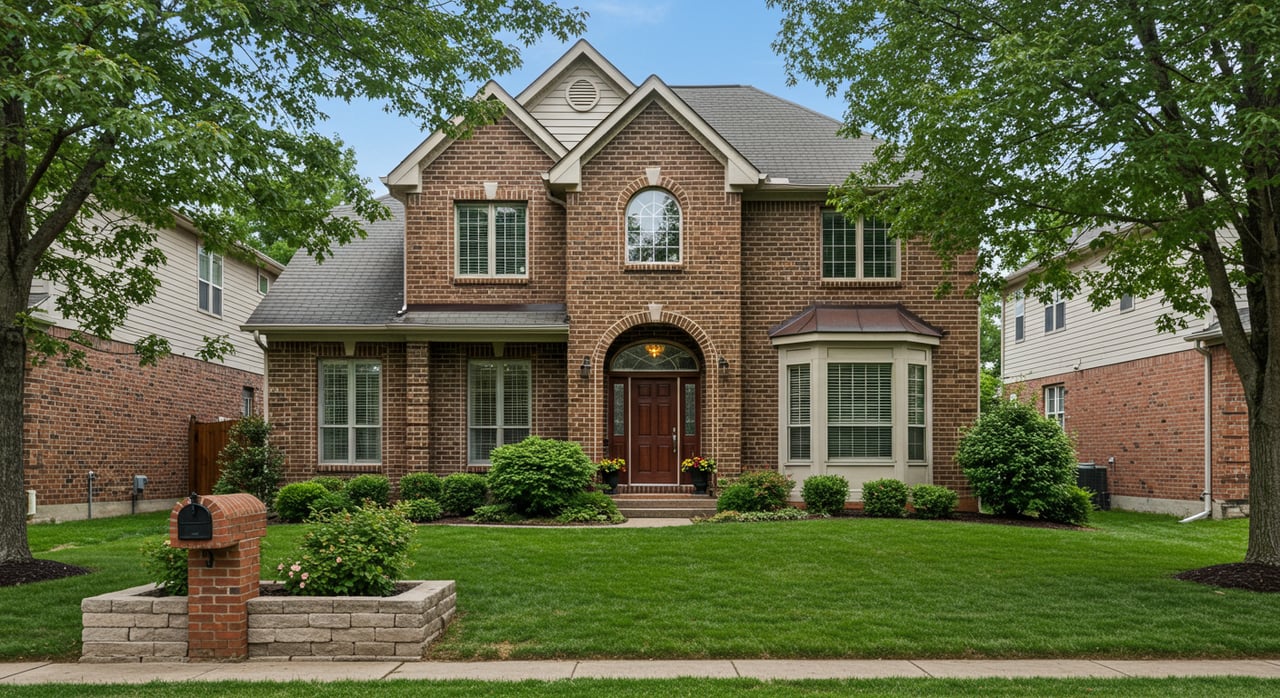
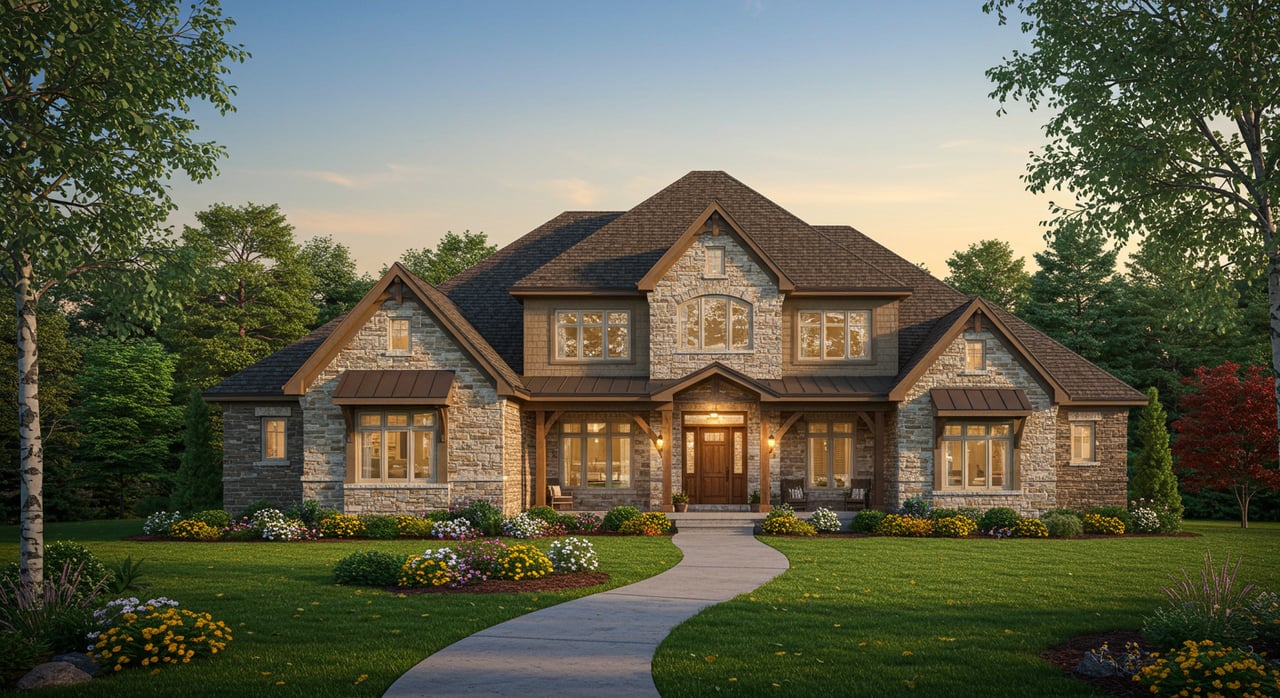
If you picture North Richland Hills as mostly single-family homes, that picture is largely accurate. City land-use materials show that about 71% of residential units are single-family homes, making detached housing the dominant residential form across the city.
That said, there are also townhomes, apartments, duplexes, and other housing types in the market. According to the city’s Vision 2030 guidance, higher-density housing is concentrated in a few urban-village areas near Smithfield, Iron Horse, City Point, and HomeTown rather than spread evenly throughout the city.
This matters when you start narrowing your home search. Some parts of North Richland Hills may feel more traditionally suburban, while others may offer a more mixed-use or transit-connected setting. If you are relocating, it helps to think beyond the city name and focus on the specific area, street pattern, and nearby amenities that fit your lifestyle best.
School Boundaries Matter in NRH
One of the most important things future residents should know is that North Richland Hills is not served by just one school district. The city notes that some residents are in Birdville ISD and others are in Keller ISD.
For buyers, that means school assignment is a property-specific question, not a citywide assumption. If school zoning is part of your decision, you will want to verify the district and attendance boundaries for any home you are considering. This is especially important when comparing neighborhoods within North Richland Hills or weighing NRH against nearby communities.
Parks and Outdoor Recreation
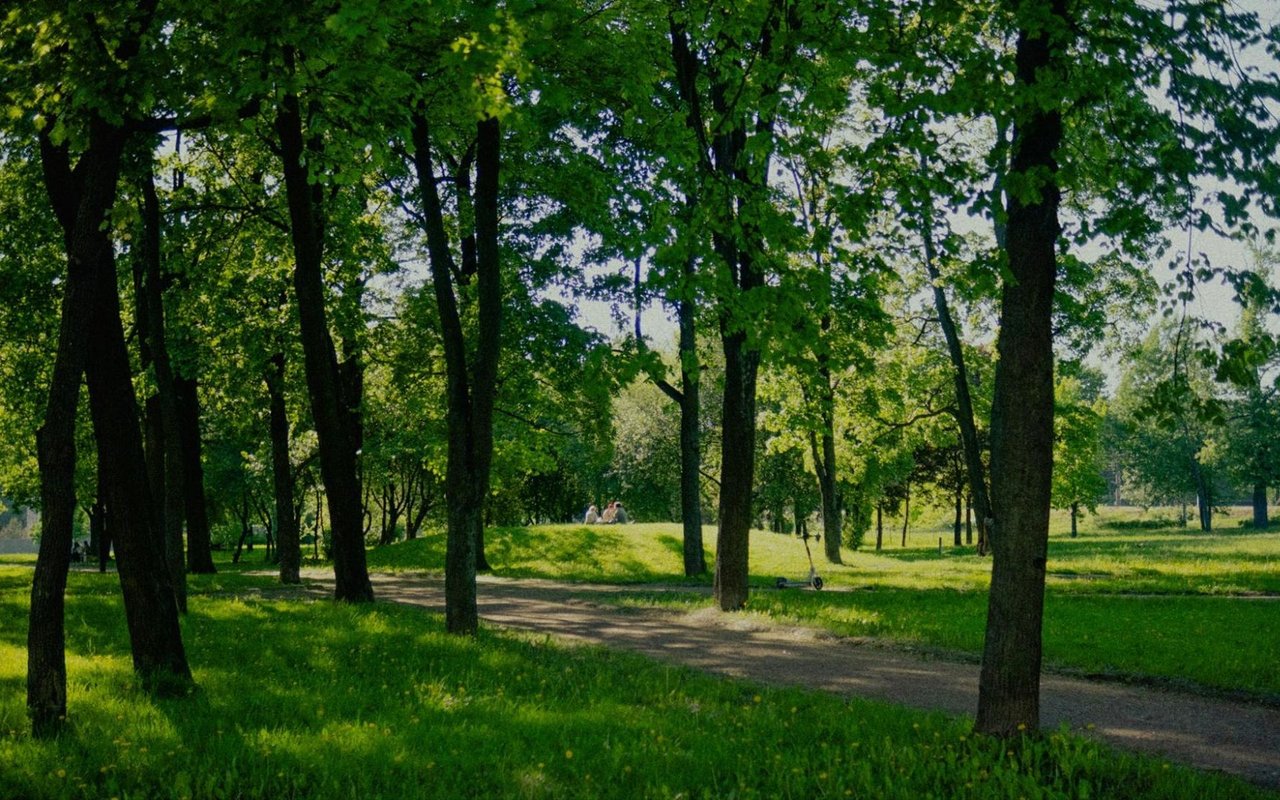
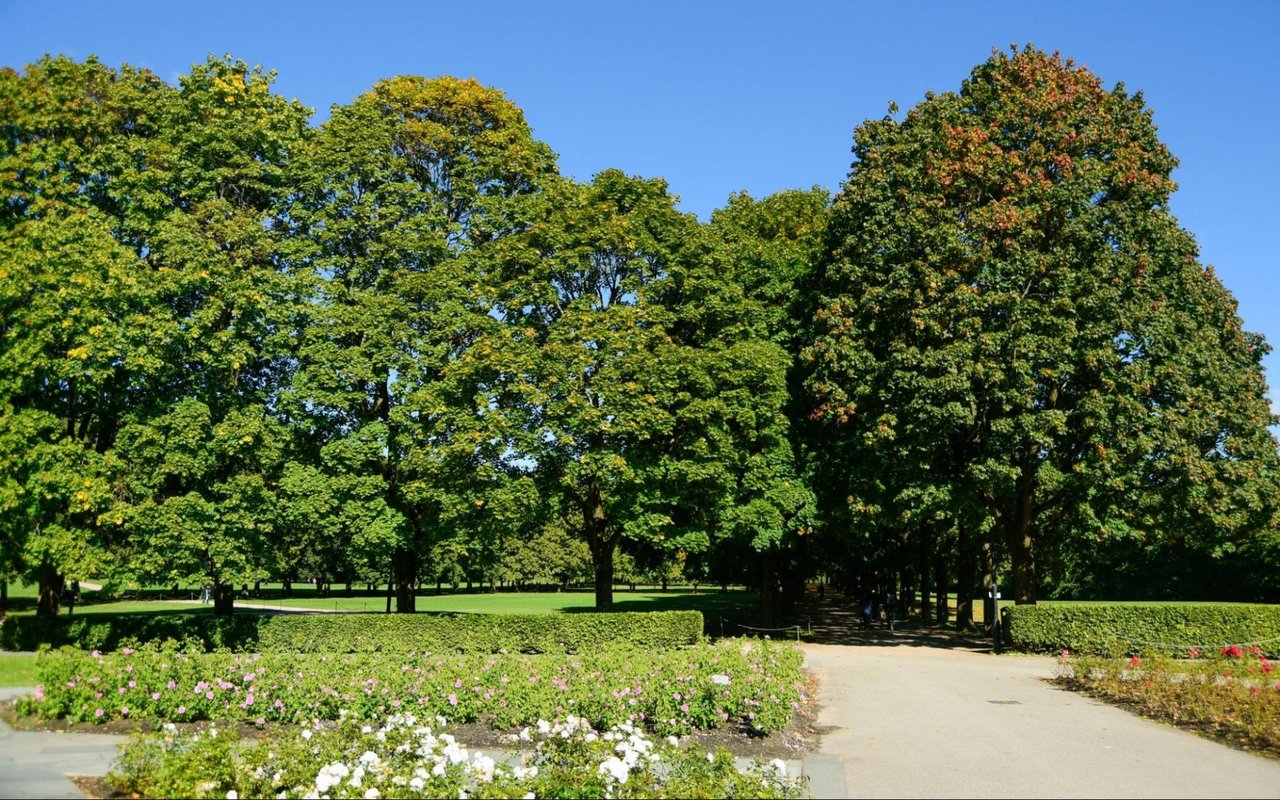
North Richland Hills stands out for the strength of its park system. The city reports more than 800 acres of parkland and more than 30 miles of hike-and-bike trails, giving you plenty of options for walking, biking, playing, and getting outside close to home.
If outdoor access is part of your ideal routine, this is one of NRH’s strongest lifestyle features. Instead of driving far for recreation, you have a citywide network of parks and trails woven into everyday life.
Cross Timbers Park Highlights
Cross Timbers Park is one of the city’s major community parks at 100.8 acres. It includes lighted youth baseball fields, a 9-hole disc golf course, playgrounds, pavilions, and both paved and unpaved trails.
That mix makes it useful for more than one type of outing. You can head there for organized sports, a casual walk, or a weekend afternoon at the playground.
Fossil Creek Park Features
Fossil Creek Park adds another layer to the outdoor scene. The park includes about 5 miles of mountain bike trails, along with recent improvements such as a bicycle playground and pump track.
For buyers who value active recreation, that is a meaningful plus. It gives North Richland Hills a broader recreation profile than a suburb that only offers basic neighborhood parks.
Everyday Amenities That Shape Daily Life
Some communities look good on paper but feel limited in day-to-day living. North Richland Hills has several city-owned amenities that make the routine side of life more convenient and more enjoyable.
Two of the biggest are NRH2O and the NRH Centre. Together, they help define the city’s community-focused identity.
NRH2O and the NRH Centre
NRH2O opened in 1995 and describes itself as the first municipal water park in Texas. Today it spans 17 acres and includes 23 attractions, making it a well-known local amenity for warm-weather recreation.
The NRH Centre adds year-round value. Opened in 2012, this 86,000-square-foot facility brings together fitness, aquatics, a senior center, classrooms, and banquet space in one location. Residents also receive discounts at city-owned facilities, including NRH2O, Iron Horse Golf Course, and the NRH Centre.
Library and Golf Access
The North Richland Hills Library is another notable part of daily life in the city. The library describes itself as an award-winning, 54,000-square-foot facility with about 165,000 physical and digital items.
Its location is also telling. The library says it sits in a town center with residences and shops and is within walking distance of an elementary school, high school, recreation center, and senior center. That kind of setup reinforces the city’s more service-rich, connected feel.
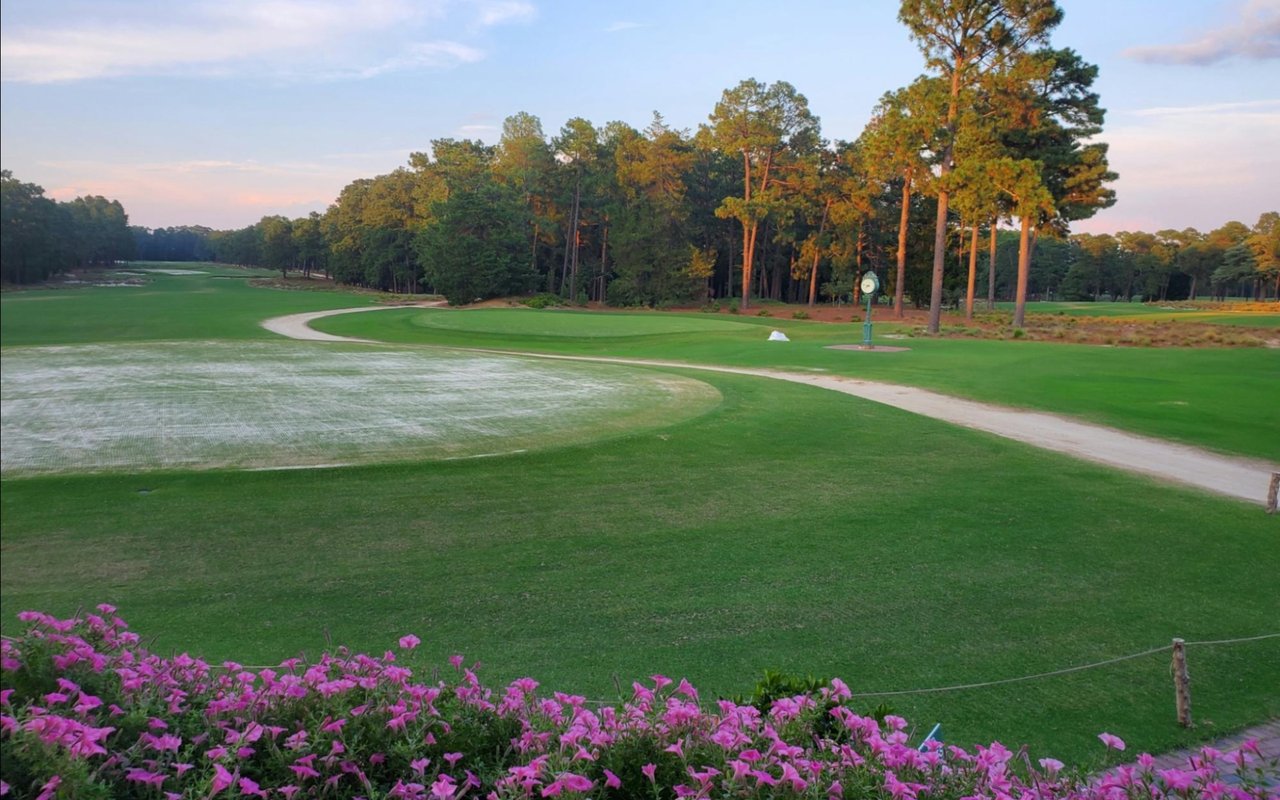
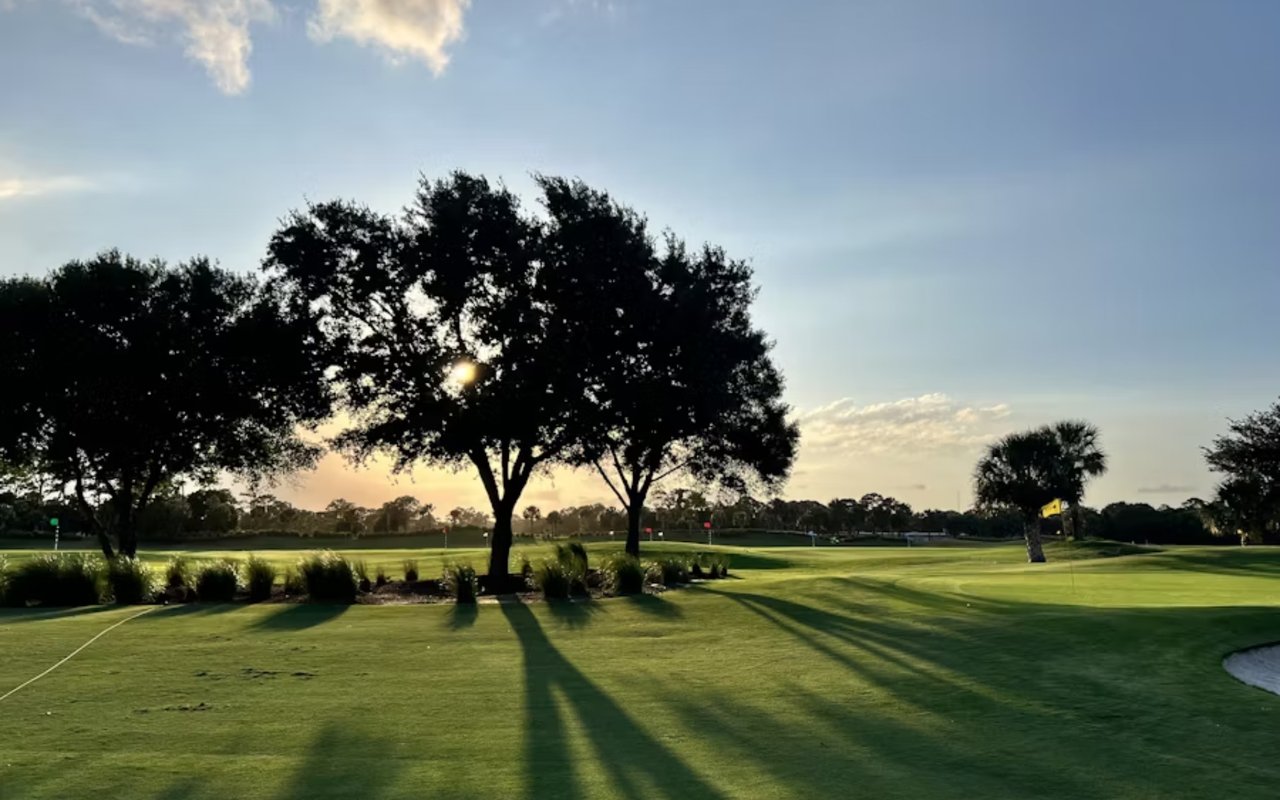
For golf, Iron Horse Golf Course is a city-owned 18-hole par-70 course that opened in 1988 and was renovated in 2020. If golf is part of your lifestyle, it is another everyday amenity that adds convenience without leaving town.
Commuting and Regional Access
For many buyers, location is not just about the home itself. It is also about how easily you can move through the metroplex for work, travel, and daily errands.
North Richland Hills benefits from a central position in DFW. The city’s transportation plan notes convenient freeway access via Loop 820 and SH 121/183, along with proximity to major destinations across the region.
Under typical conditions, the city says North Richland Hills is about 10 minutes from DFW Airport and less than 30 minutes from downtown Dallas or Fort Worth. That kind of access can make a real difference if you travel often or need flexibility for commuting in more than one direction.
TEXRail in North Richland Hills
North Richland Hills also offers rail access through TEXRail. The city notes stations at Iron Horse and Smithfield, with daily service to Fort Worth, North Richland Hills, Grapevine, and DFW Airport.
The city lists fares at $2.50 one way or $5 for an all-day pass. There is also a connection at DFW Airport to DART’s Silver Line, which adds another regional option for riders who want alternatives to driving.
Shopping, Dining, and Convenience
Many future residents are pleasantly surprised by the dining base in North Richland Hills. According to the city’s restaurant materials, NRH has more than 190 food establishments and more than 70 dine-in restaurants.
That gives you a deeper bench of everyday options than you might expect from a suburban city. Whether you want a quick weeknight meal, a casual sit-down dinner, or a more regular dining rotation close to home, the selection is broad.
The city also notes more than 30 full-service, sit-down restaurants plus numerous fast-casual and drive-through options. Recent redevelopment along NE Loop 820 and nearby corridors has added restaurants, retail, and entertainment uses, which suggests more daily activity is clustering in convenient, easy-to-access nodes.
Who North Richland Hills Fits Best
North Richland Hills can be a strong fit if you want an established suburb with substantial public amenities and good regional access. It may especially appeal to buyers who value single-family neighborhoods, parks and trails, city services, and a location that keeps them connected to the wider metroplex.
It may also work well for relocation buyers who want a practical, livable routine rather than a blank-slate new-growth environment. North Richland Hills offers a more built-out setting, with the tradeoff that it feels mature and established instead of brand new.
As you compare neighborhoods, the most useful question is not simply whether you want to live in NRH. It is which part of NRH best matches your priorities for housing style, commute, amenities, and school zoning.
If you are weighing a move to North Richland Hills and want thoughtful guidance on neighborhoods, home options, or how NRH compares with nearby communities, Julie Gray can help you make a confident, well-informed decision.
FAQs
What is North Richland Hills known for?
- North Richland Hills is known for being a centrally located Mid-Cities suburb with more than 800 acres of parkland, over 30 miles of hike-and-bike trails, city-owned recreation amenities, and convenient access to DFW Airport, Fort Worth, and Dallas.
What types of homes are common in North Richland Hills?
- North Richland Hills is still primarily a single-family home market, with city materials showing that about 71% of residential units are single-family homes, while townhomes and apartments are concentrated in a few targeted areas.
What school districts serve North Richland Hills?
- North Richland Hills is served by both Birdville ISD and Keller ISD, depending on the property address, so school zoning should be verified for any specific home you are considering.
Is North Richland Hills good for commuting in DFW?
- North Richland Hills offers strong regional access through Loop 820 and SH 121/183, and the city says it is about 10 minutes from DFW Airport and less than 30 minutes from downtown Dallas or Fort Worth under typical conditions.
Does North Richland Hills have public transit options?
- Yes. TEXRail serves North Richland Hills with stations at Iron Horse and Smithfield, offering daily service to Fort Worth, Grapevine, DFW Airport, and other stops along the route.
What amenities make daily life easier in North Richland Hills?
- Everyday amenities in North Richland Hills include the NRH Centre, NRH2O, the North Richland Hills Library, Iron Horse Golf Course, and a wide range of parks, trails, restaurants, and retail areas.