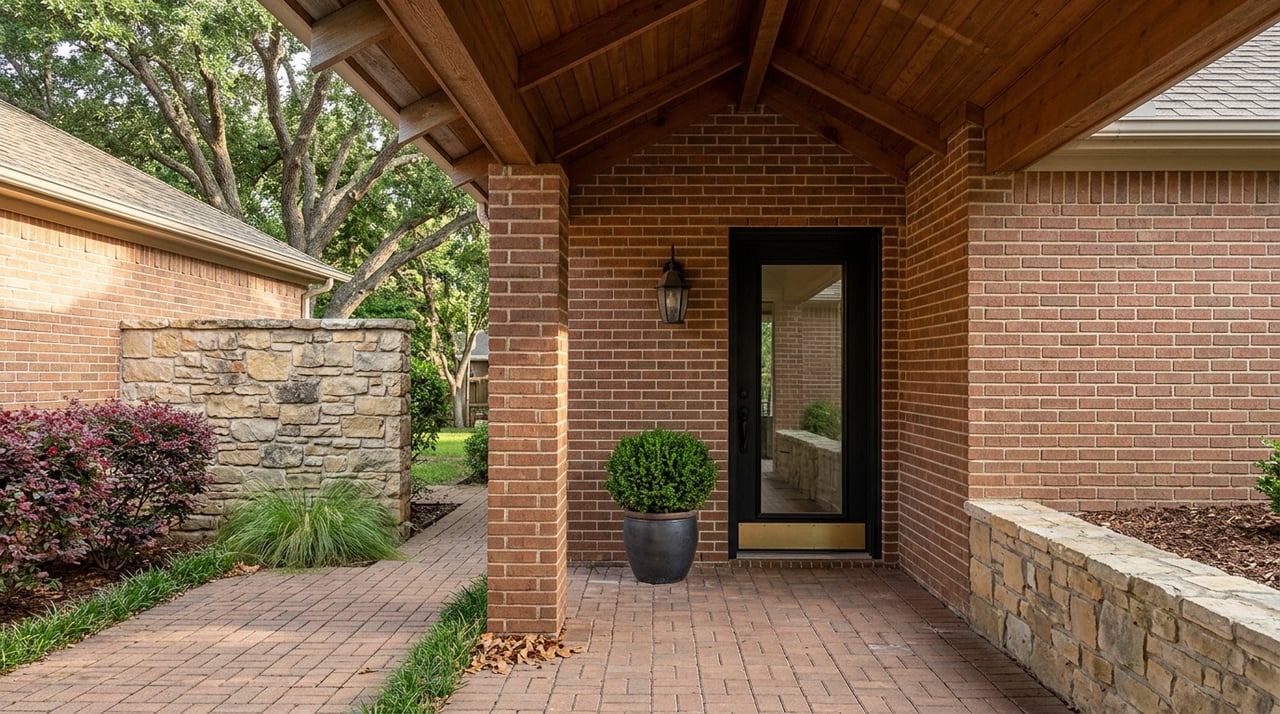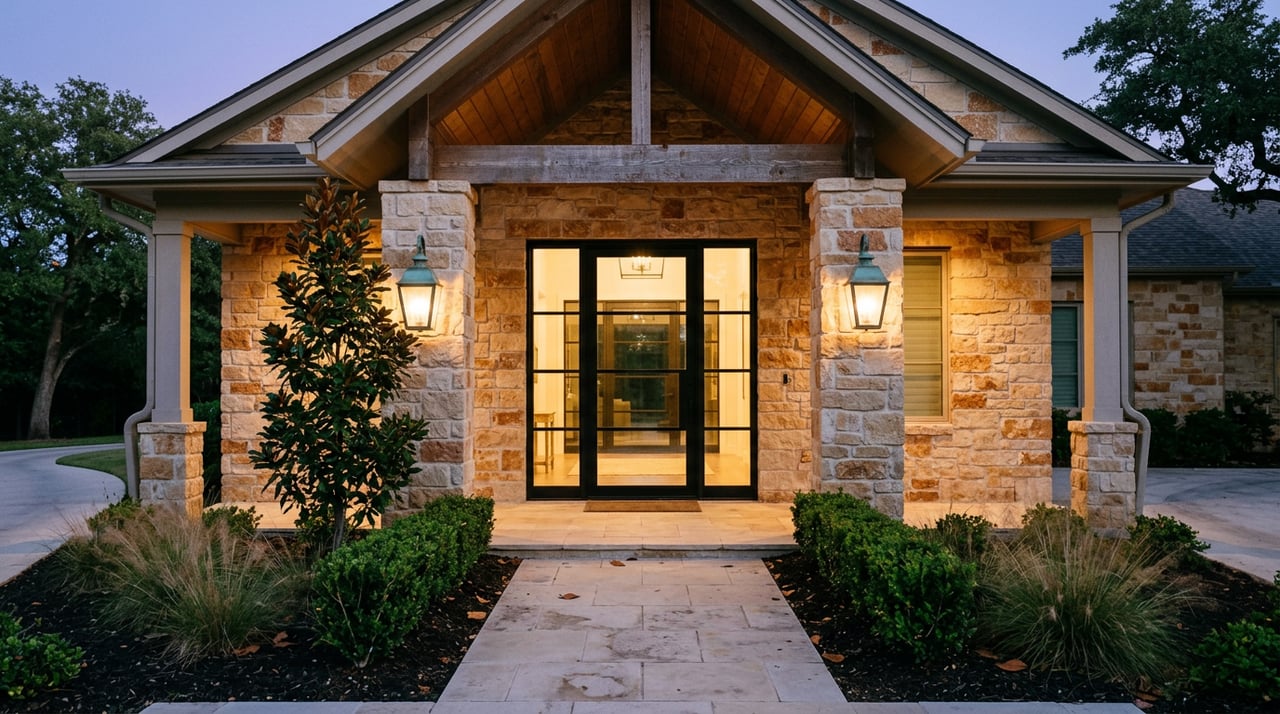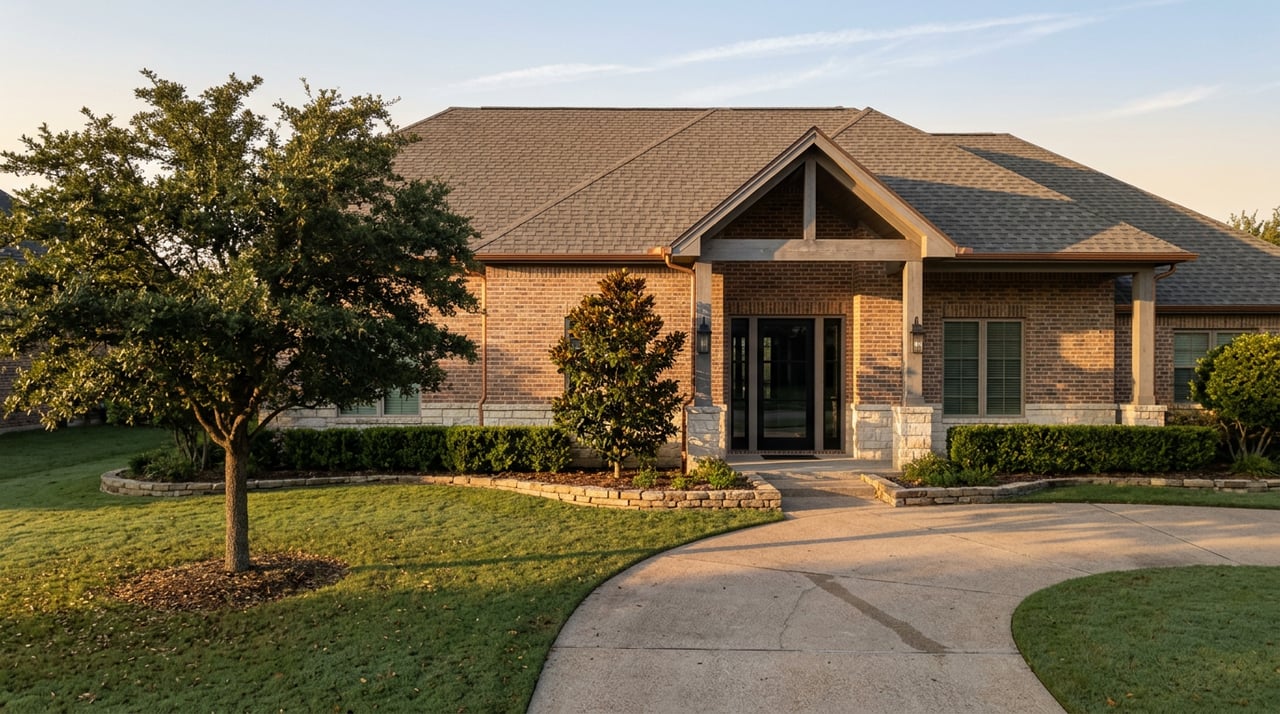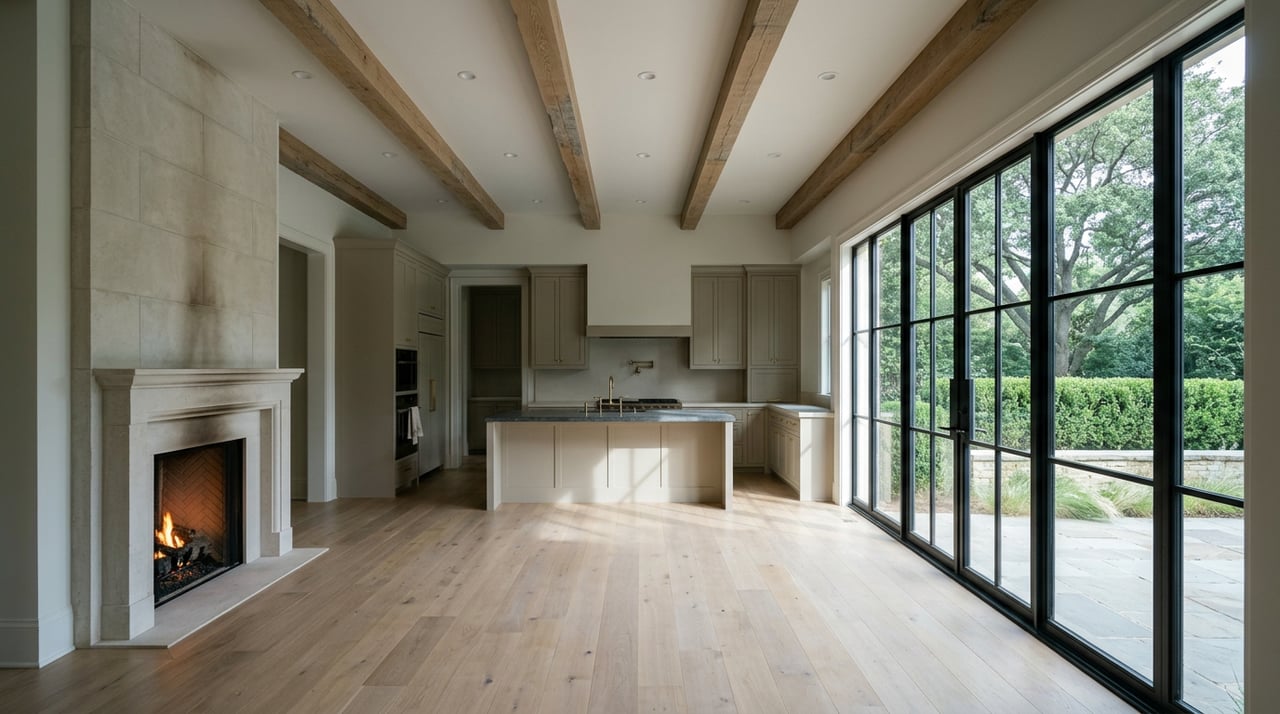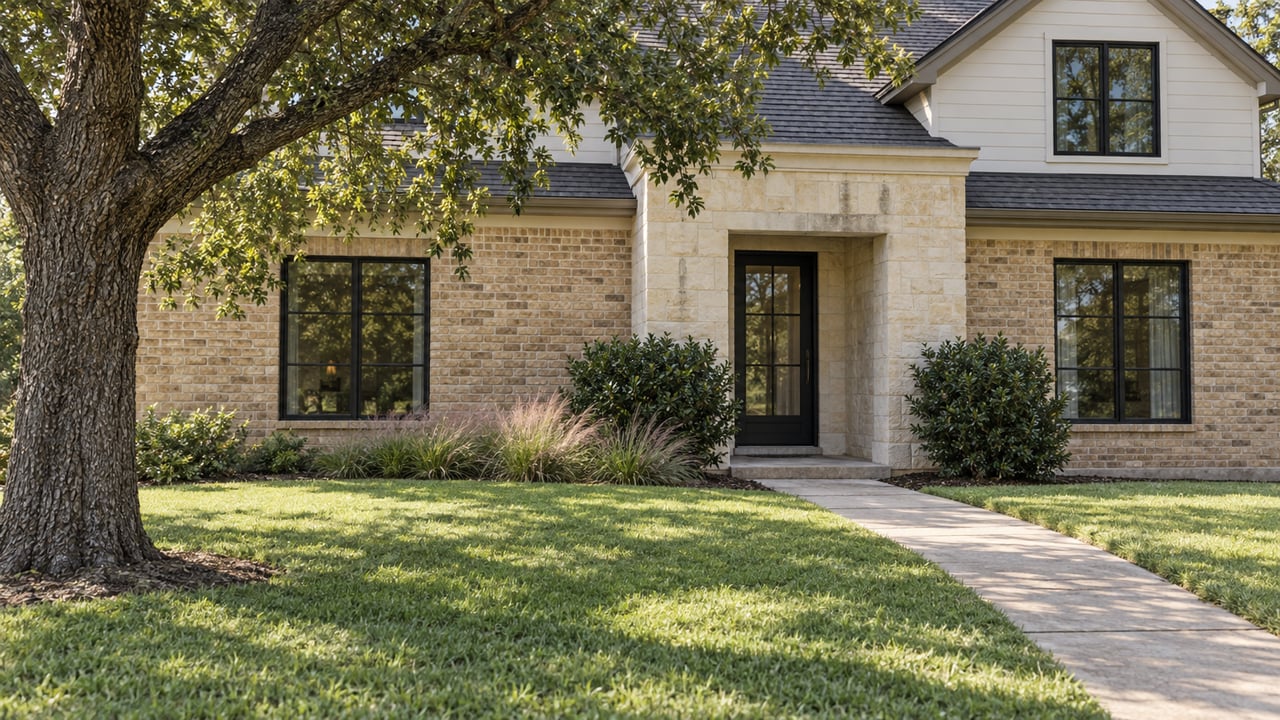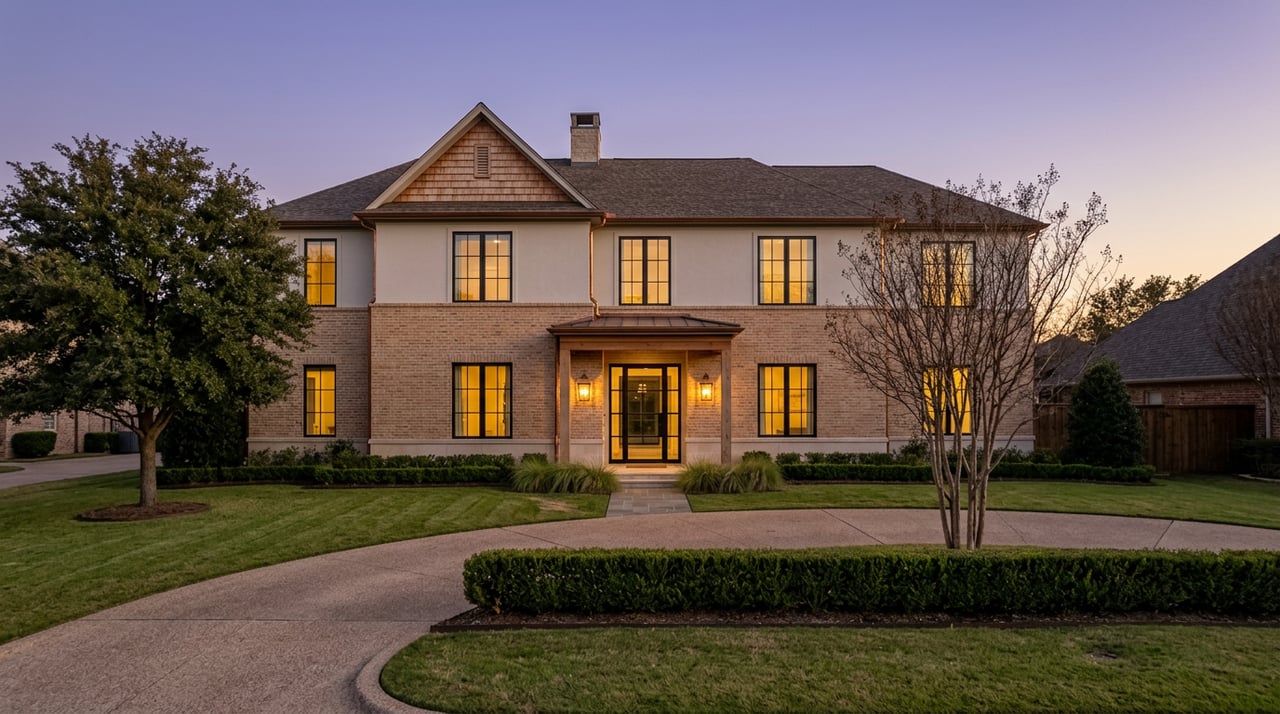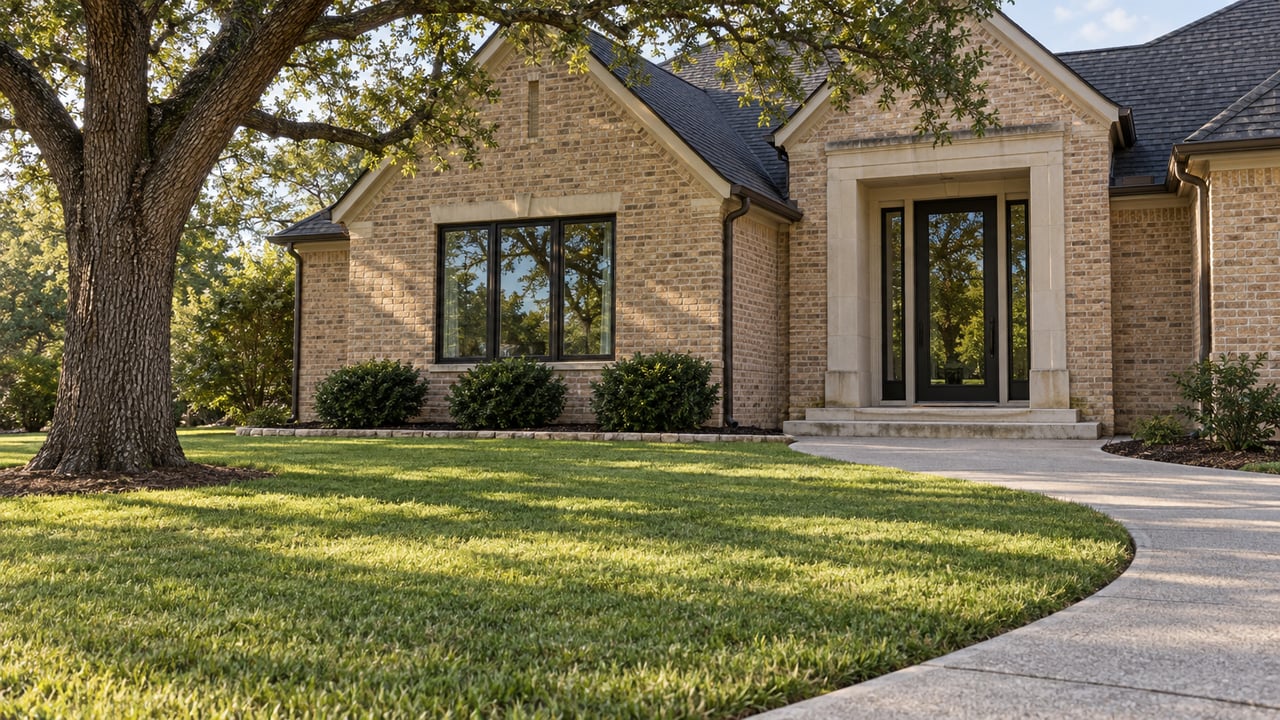
Wondering whether Fort Worth city living or suburban space fits you better? It is a common question, especially when both options can offer strong lifestyle perks, similar commute times, and very different daily rhythms. If you are trying to decide between Fort Worth’s urban core and nearby suburbs like Keller, Southlake, or North Richland Hills, this guide will help you compare what matters most so you can make a confident move. Let’s dive in.
Urban vs Suburban in Fort Worth
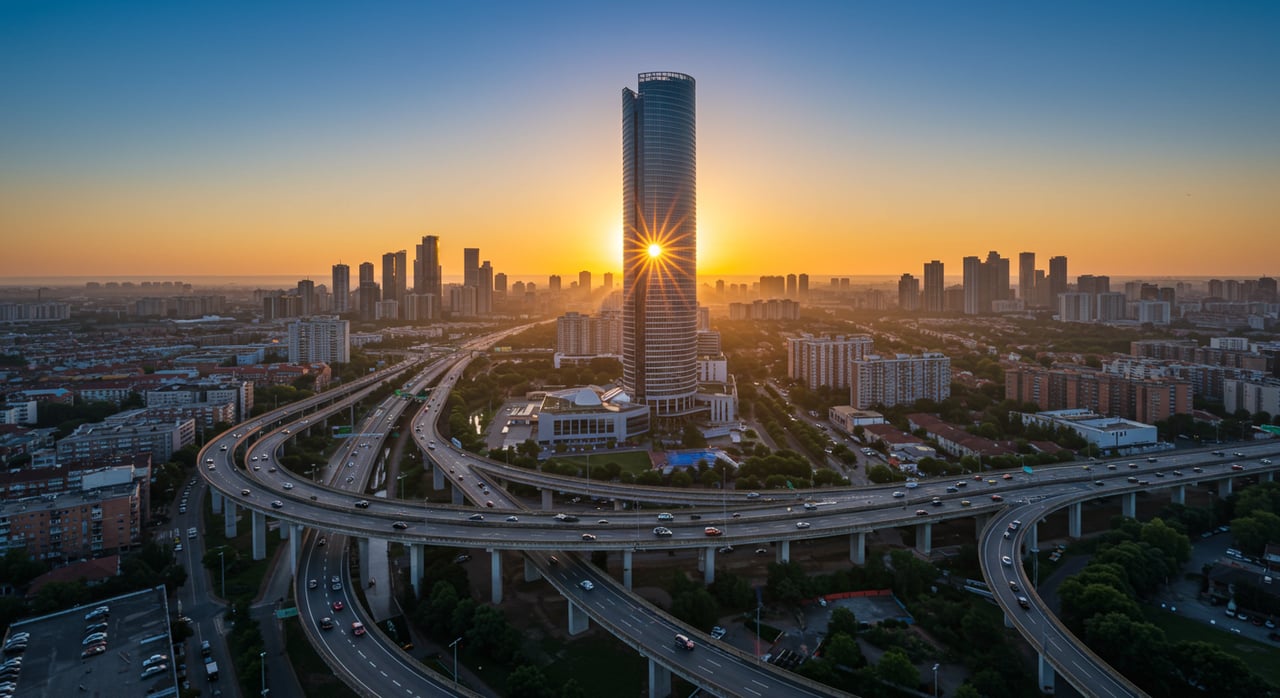
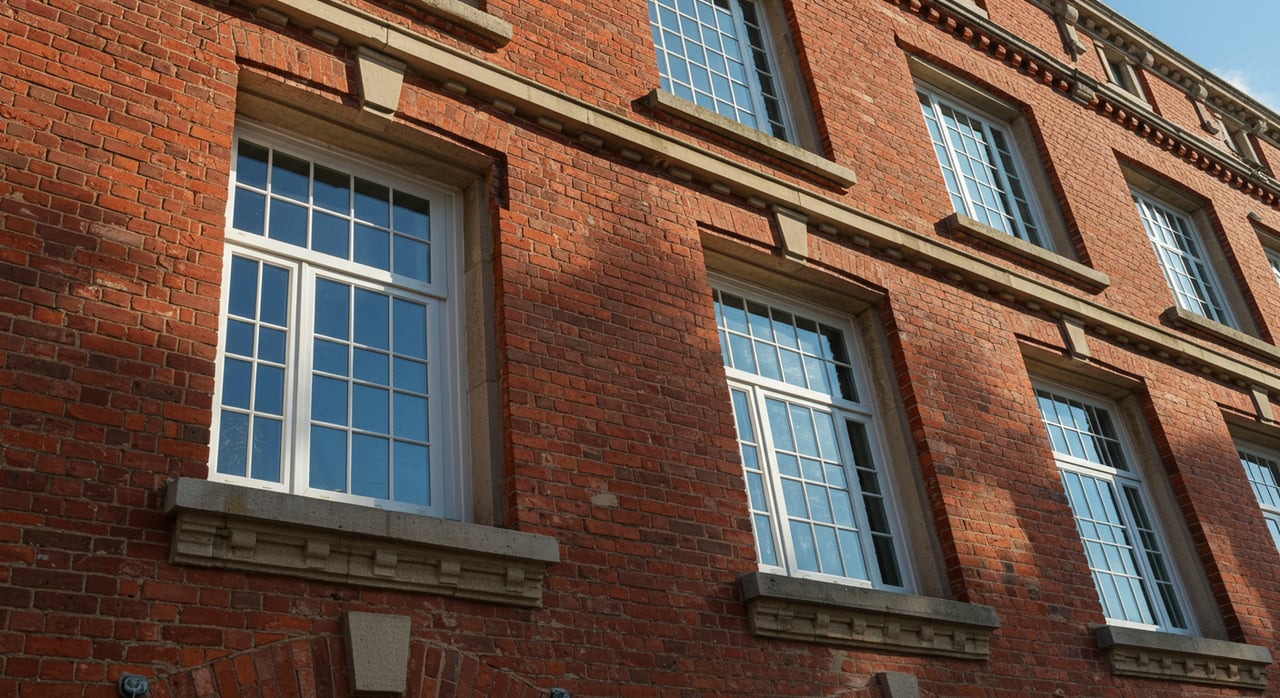
In the Fort Worth area, “urban” usually means the central city neighborhoods and districts where mixed-use development, older housing stock, and shorter trips are more common. Downtown Fort Worth is described by the city as a walkable, mixed-use urban center, while Near Southside is described as a pedestrian-oriented district with traditional streetscapes, early-1900s homes, historic apartment buildings, and newer townhome and loft options.
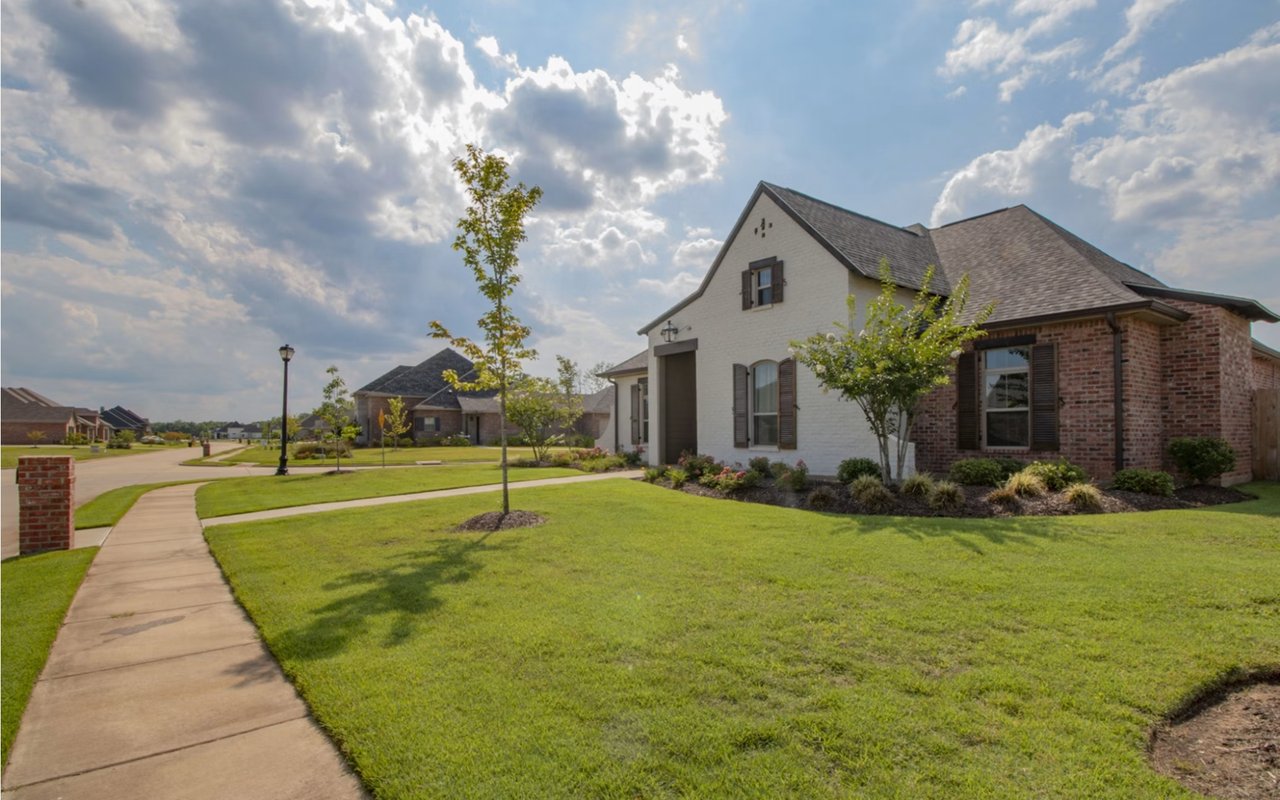
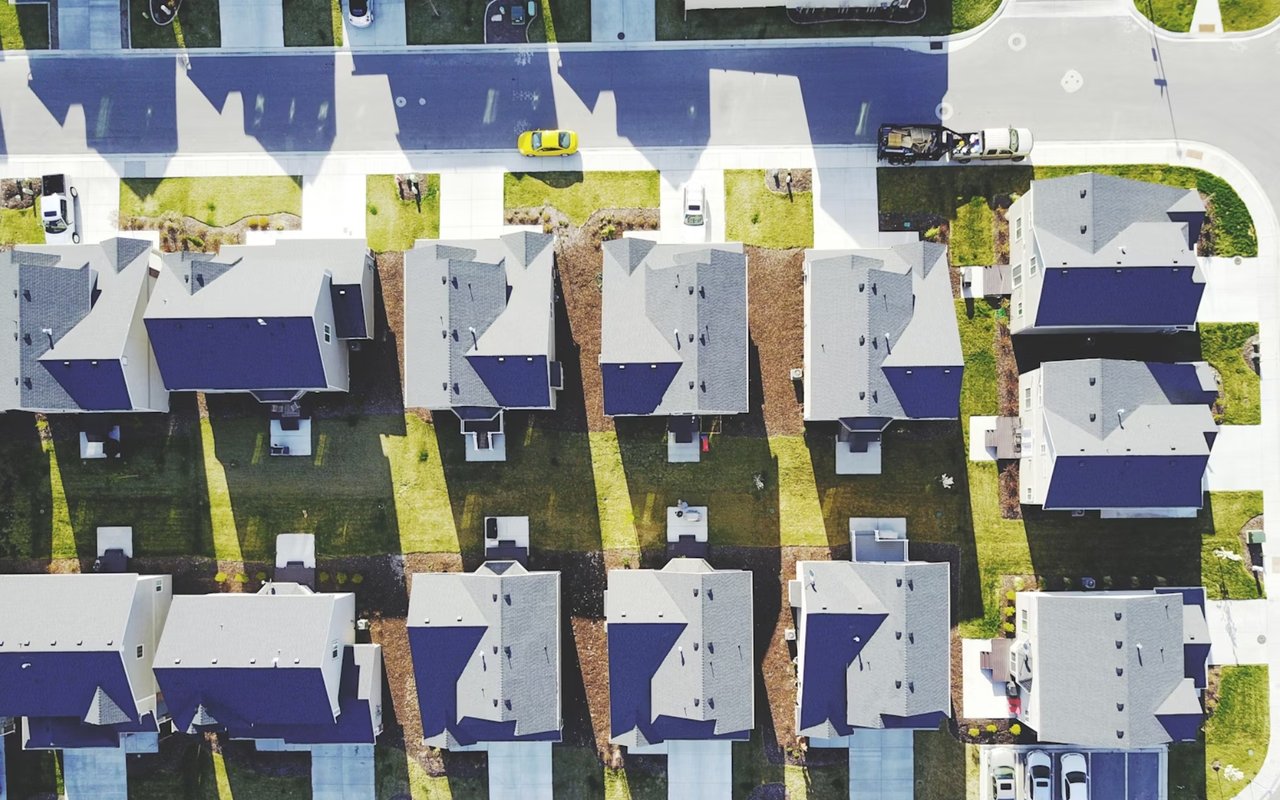
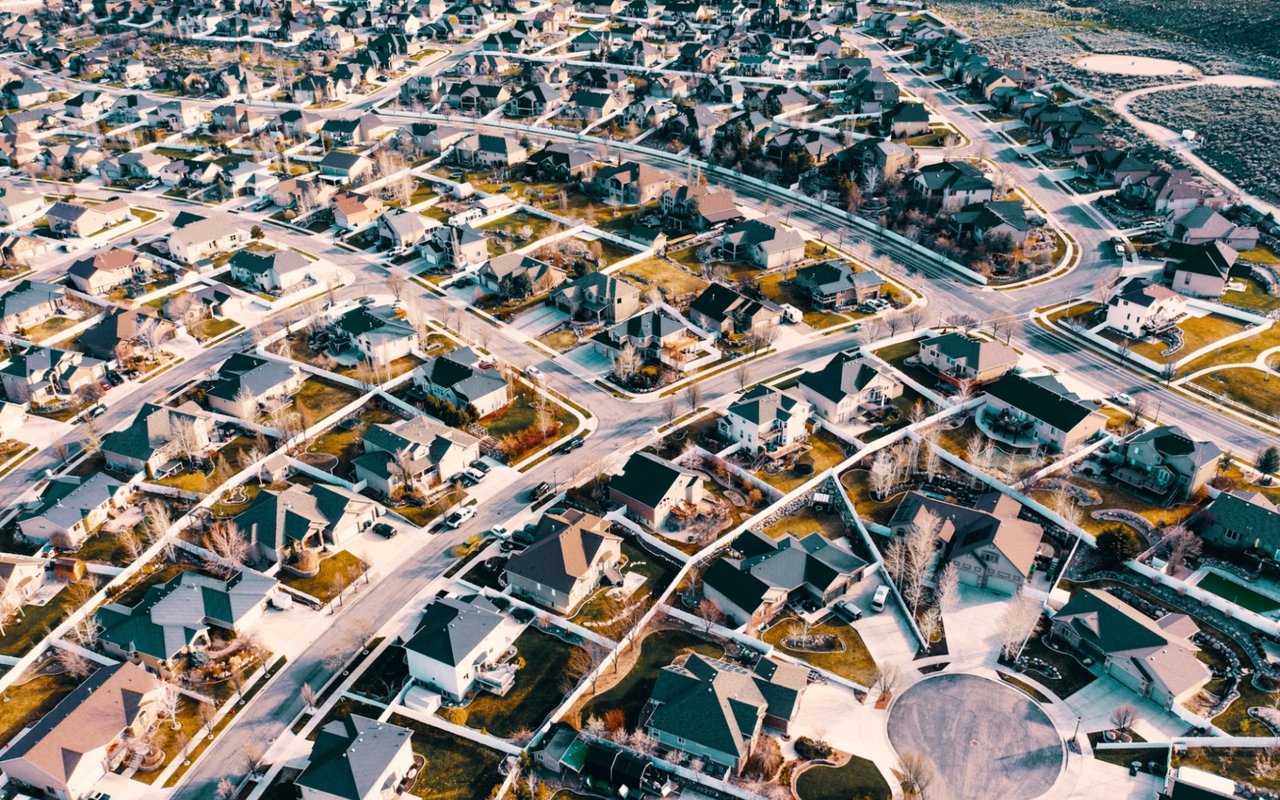
“Suburban” in this area usually points to cities like Keller, Southlake, and North Richland Hills. These communities each have their own activity centers, but their planning and civic focus leans more toward neighborhoods, parks, trails, road corridors, and driving access. In simple terms, the choice is often less about city versus suburb and more about how you want your everyday life to feel.
Start With Your Daily Routine
One of the biggest surprises for many buyers is that commute times are fairly close across the area. Fort Worth’s mean travel time to work is 27.1 minutes, Keller’s is 27.4 minutes, Southlake’s is 25.6 minutes, and North Richland Hills’ is 27.4 minutes.
That means commute time alone may not settle the decision. A better question is how you prefer to move through your day. If you want more transit options or a more walkable environment, Fort Worth may stand out. If you prefer to drive, park easily, and move between home, errands, and activities by car, the suburbs may feel more natural.
Transportation Looks Different by Area
Fort Worth’s core offers the broadest mix of transportation choices in this comparison. Trinity Metro provides the Blue Line downtown circulator, the Orange Line between Downtown Fort Worth and the Stockyards, and rail access through Fort Worth Central Station and T&P Station. TEXRail also connects downtown Fort Worth through North Richland Hills and Grapevine to DFW Airport.
North Richland Hills is the strongest suburban option if rail access matters to you. The city has two TEXRail stations, Iron Horse and Smithfield, and city planning supports mixed-use development around those station areas.
Keller and Southlake are more road-oriented. Keller highlights major corridors like U.S. Highway 377 and FM 1709, while Southlake’s planning centers on connectors such as FM 1709, Carroll Avenue, and State Highway 114. If your day-to-day life depends on highway access and driving convenience, that may be a plus rather than a drawback.
Housing Choices Vary a Lot
Housing style is often where the urban versus suburban choice becomes very clear. Fort Worth offers a wider mix of attached homes, older homes, historic apartments, lofts, townhomes, and detached properties. Citywide, Fort Worth has a 57.0% owner-occupied housing rate, a median owner-occupied home value of $303,000, and a median gross rent of $1,509.
In areas like Near Southside, you can find a blend of historic apartments, early-1900s single-family homes, and newer urban-style options. That can appeal to buyers who want character, lower exterior maintenance, or a more connected neighborhood layout.
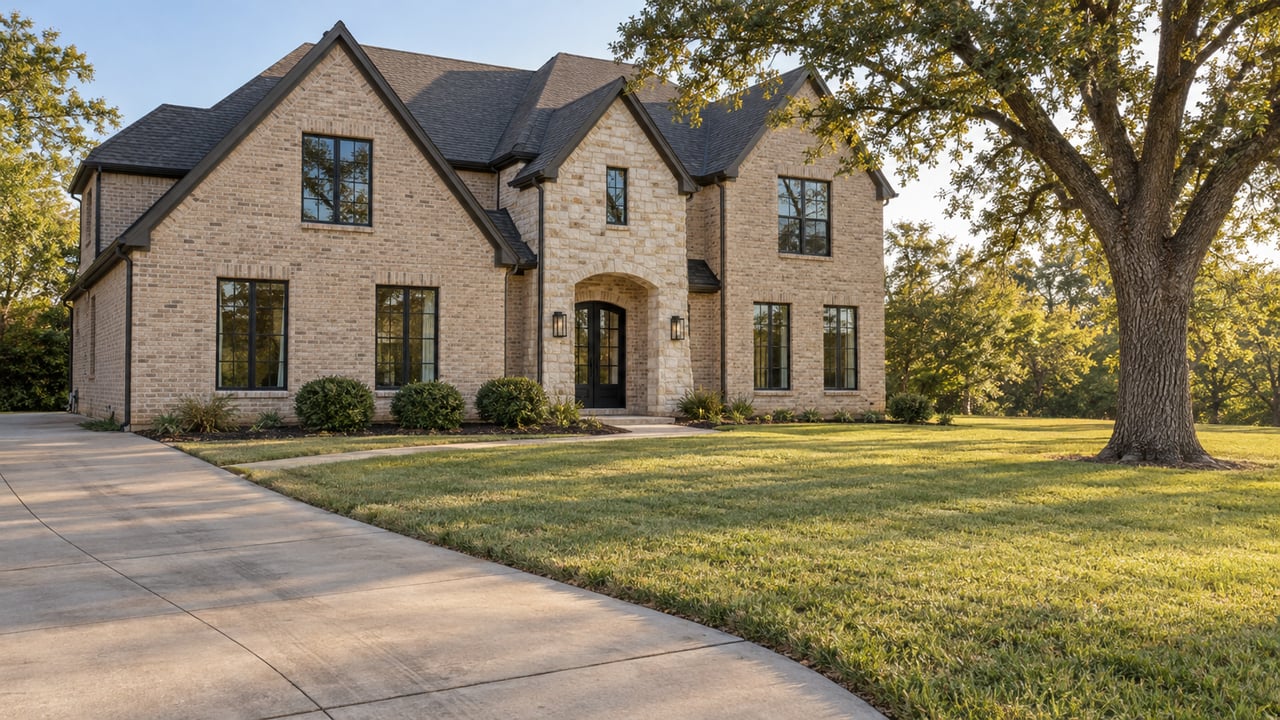
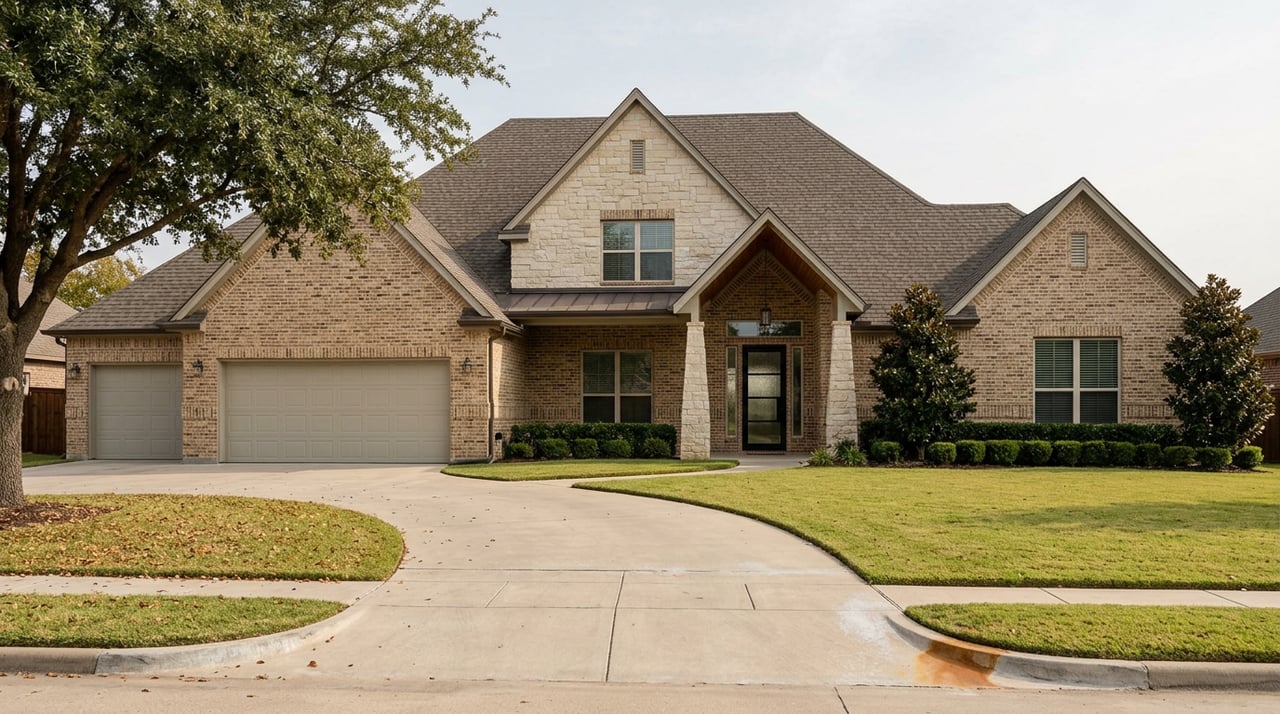
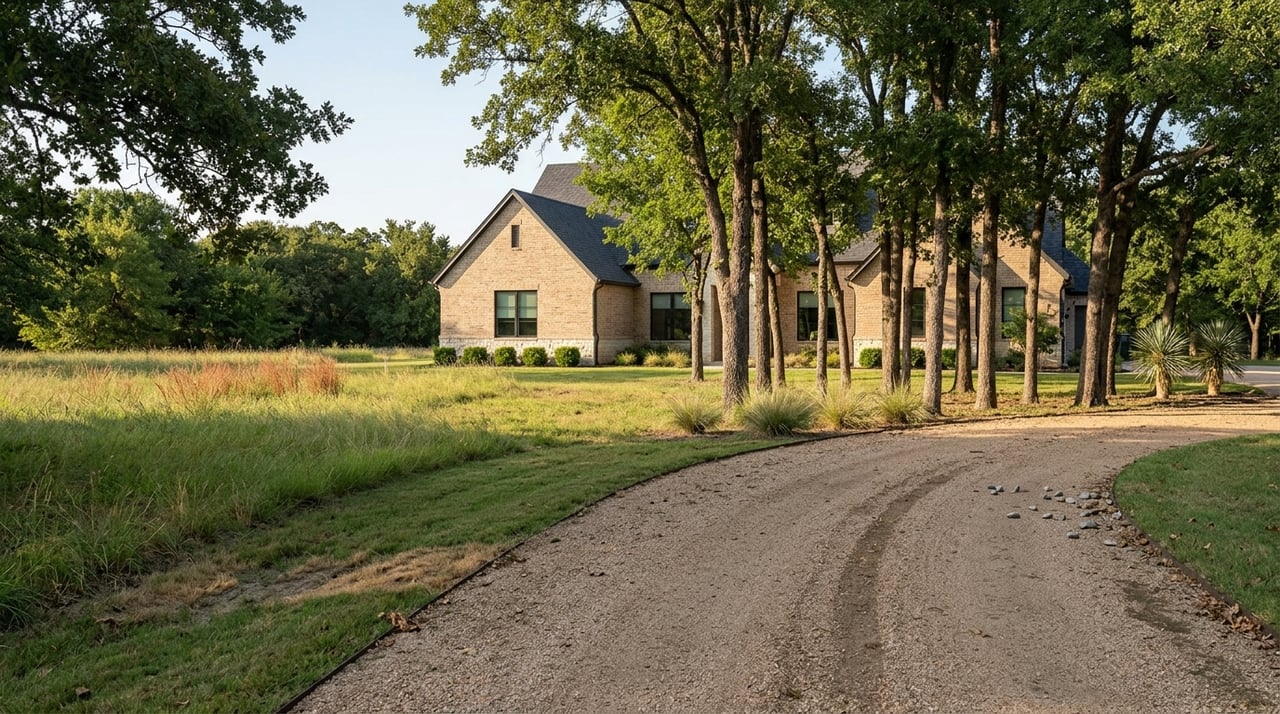
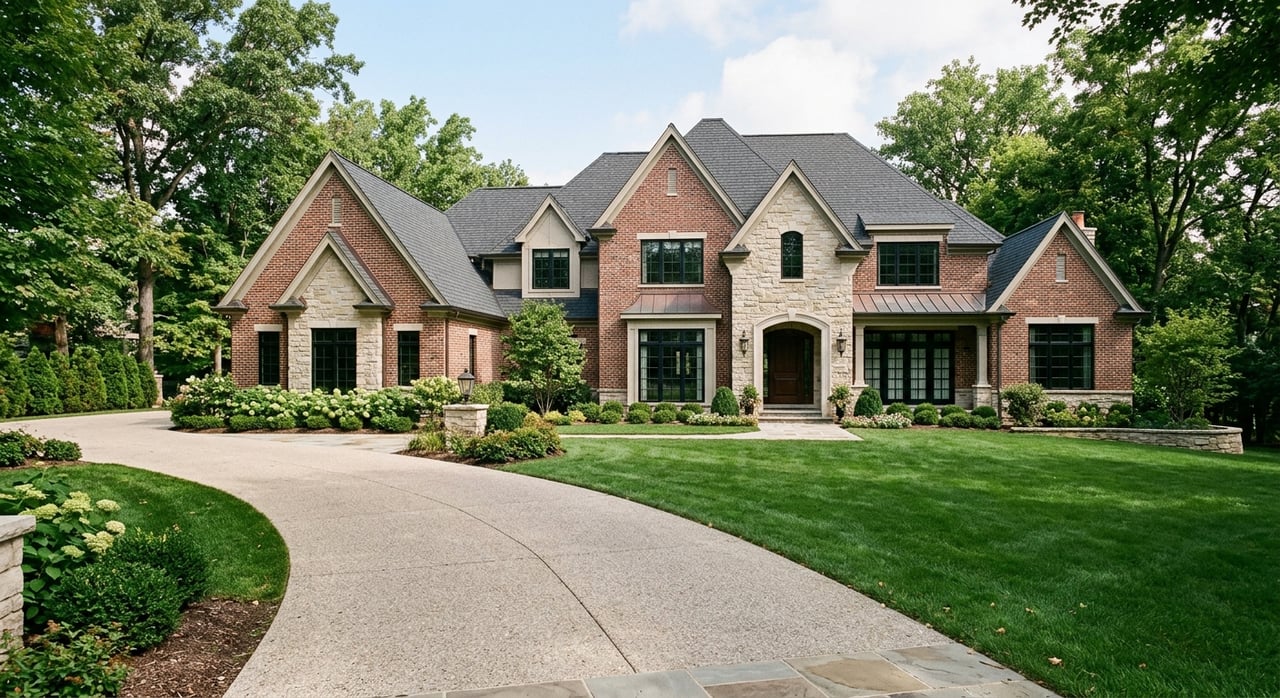
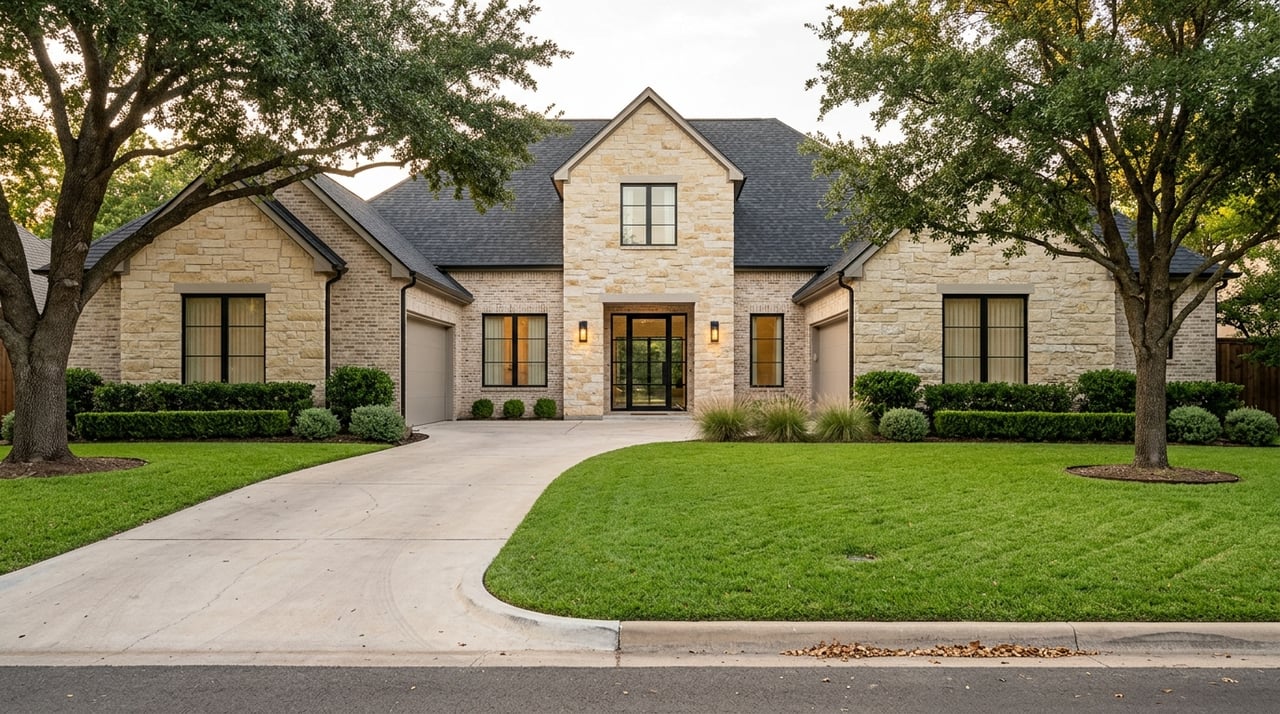
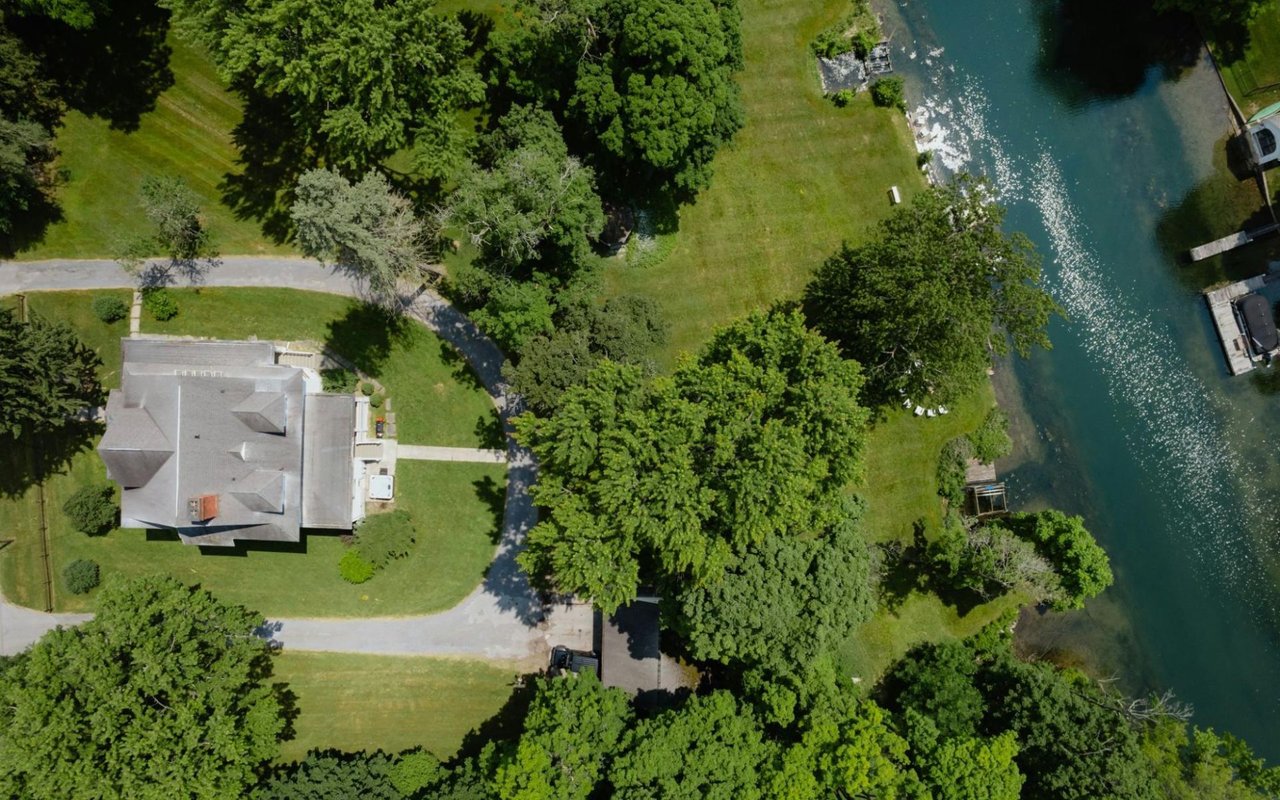
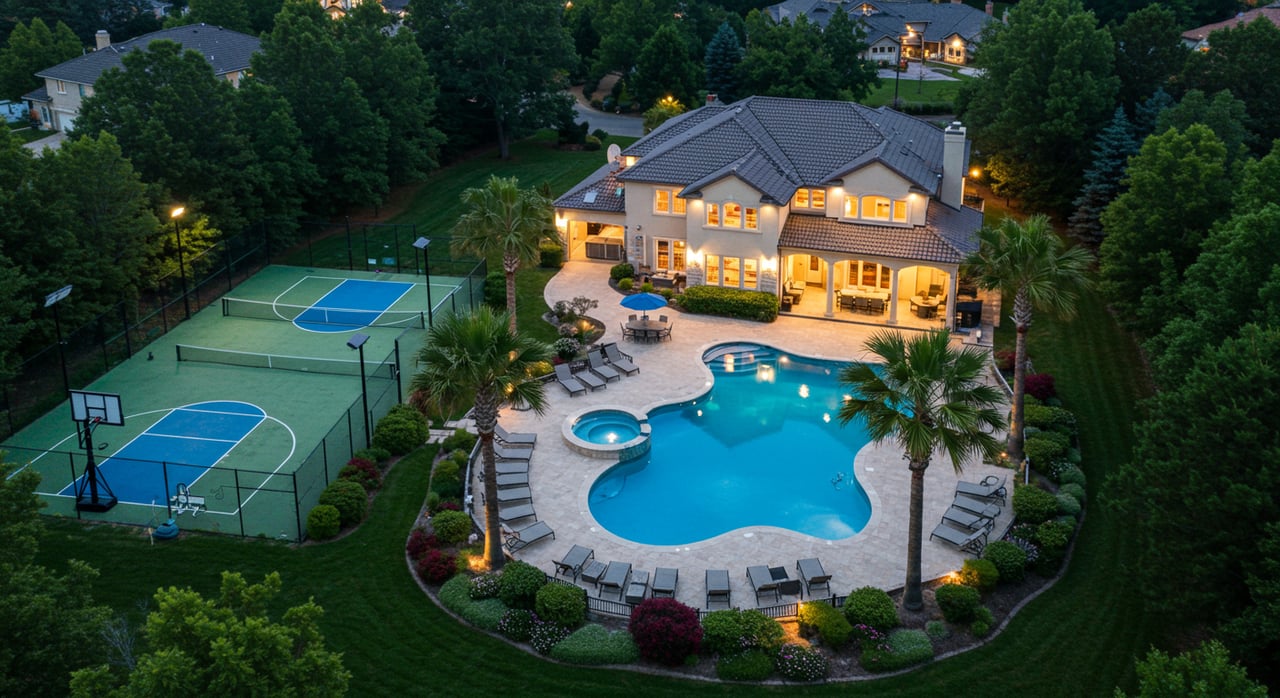
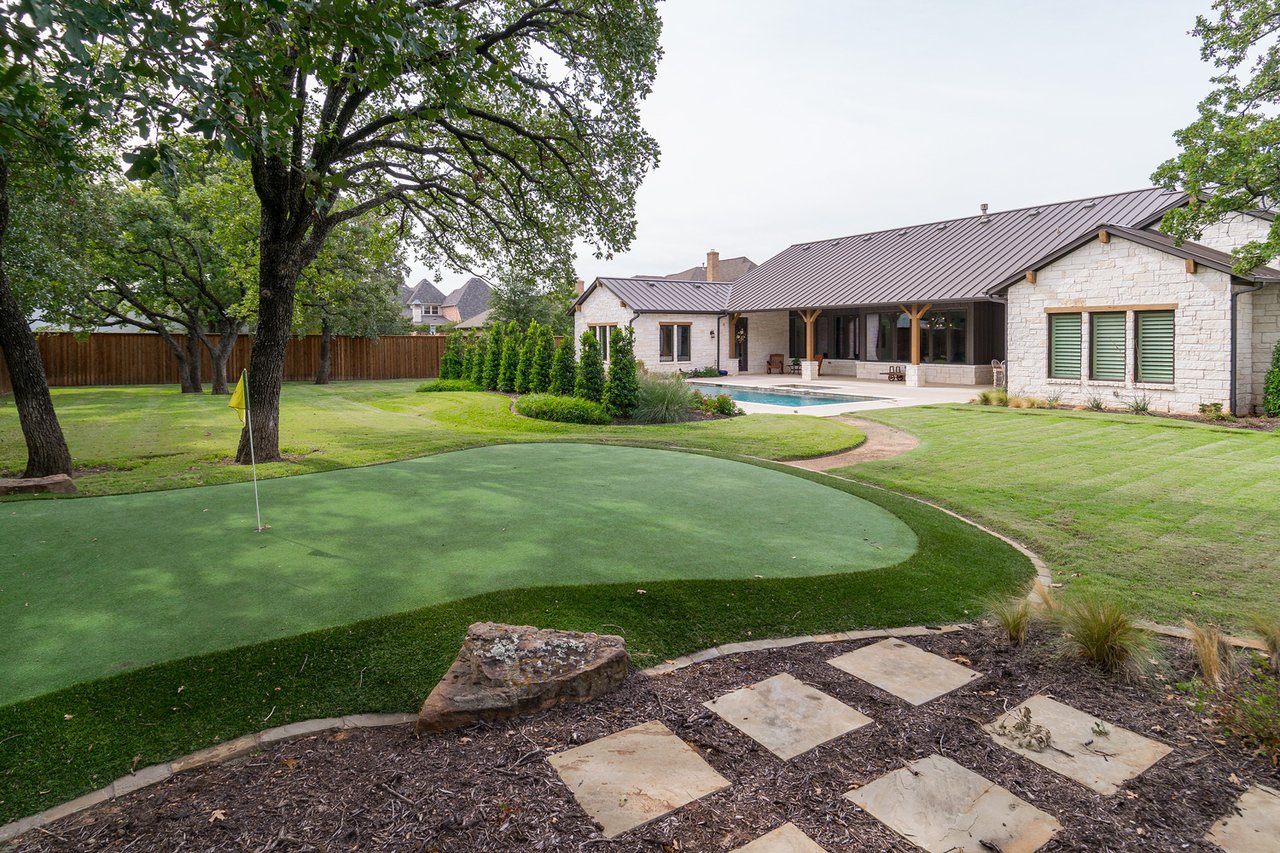
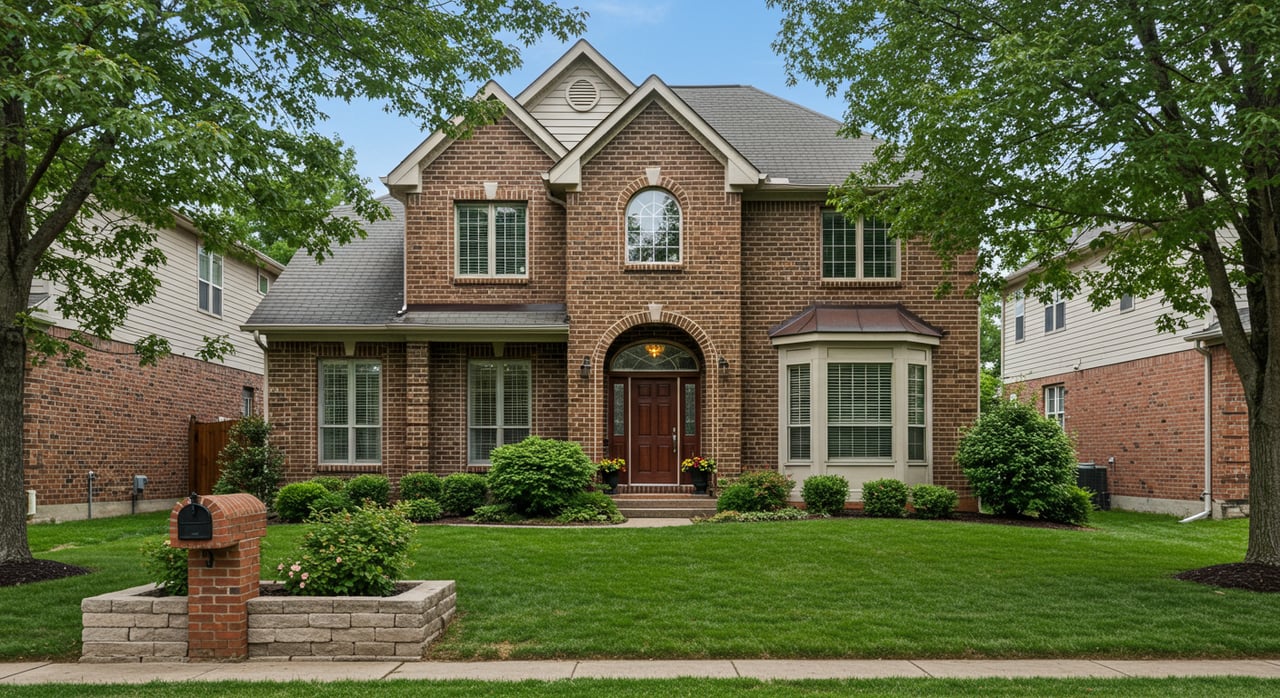
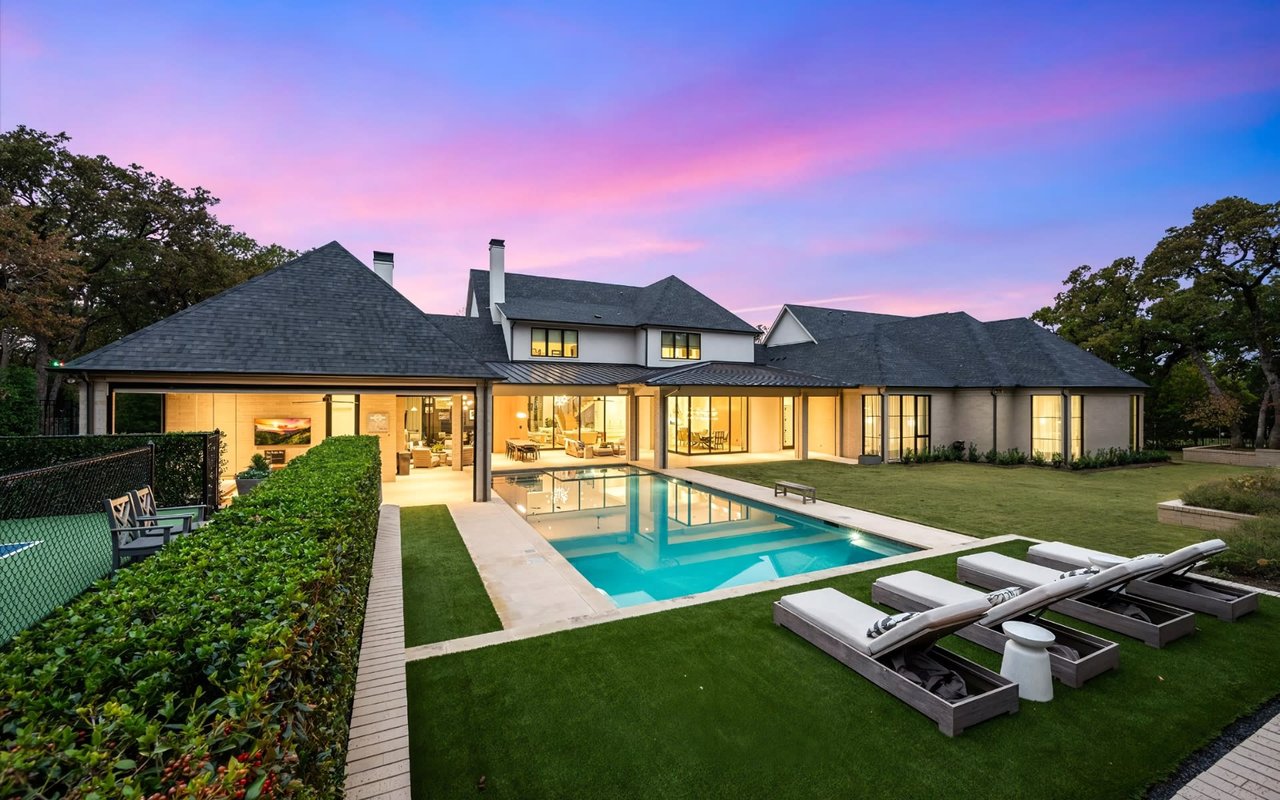
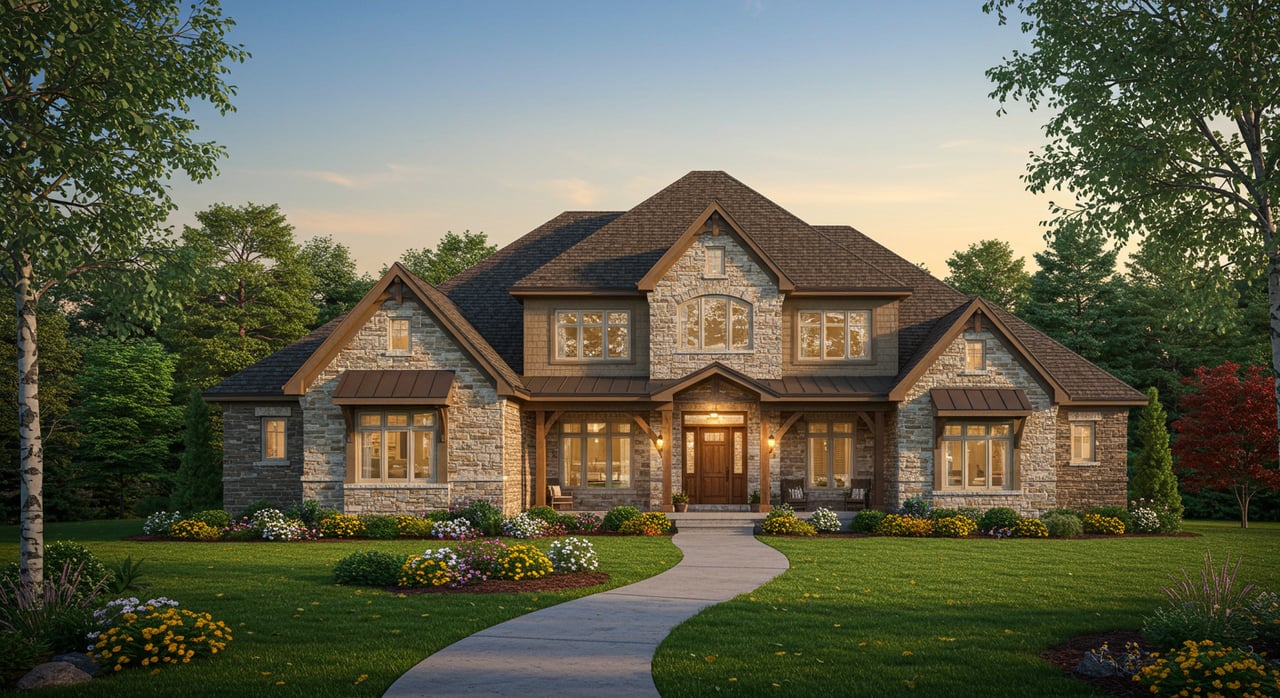
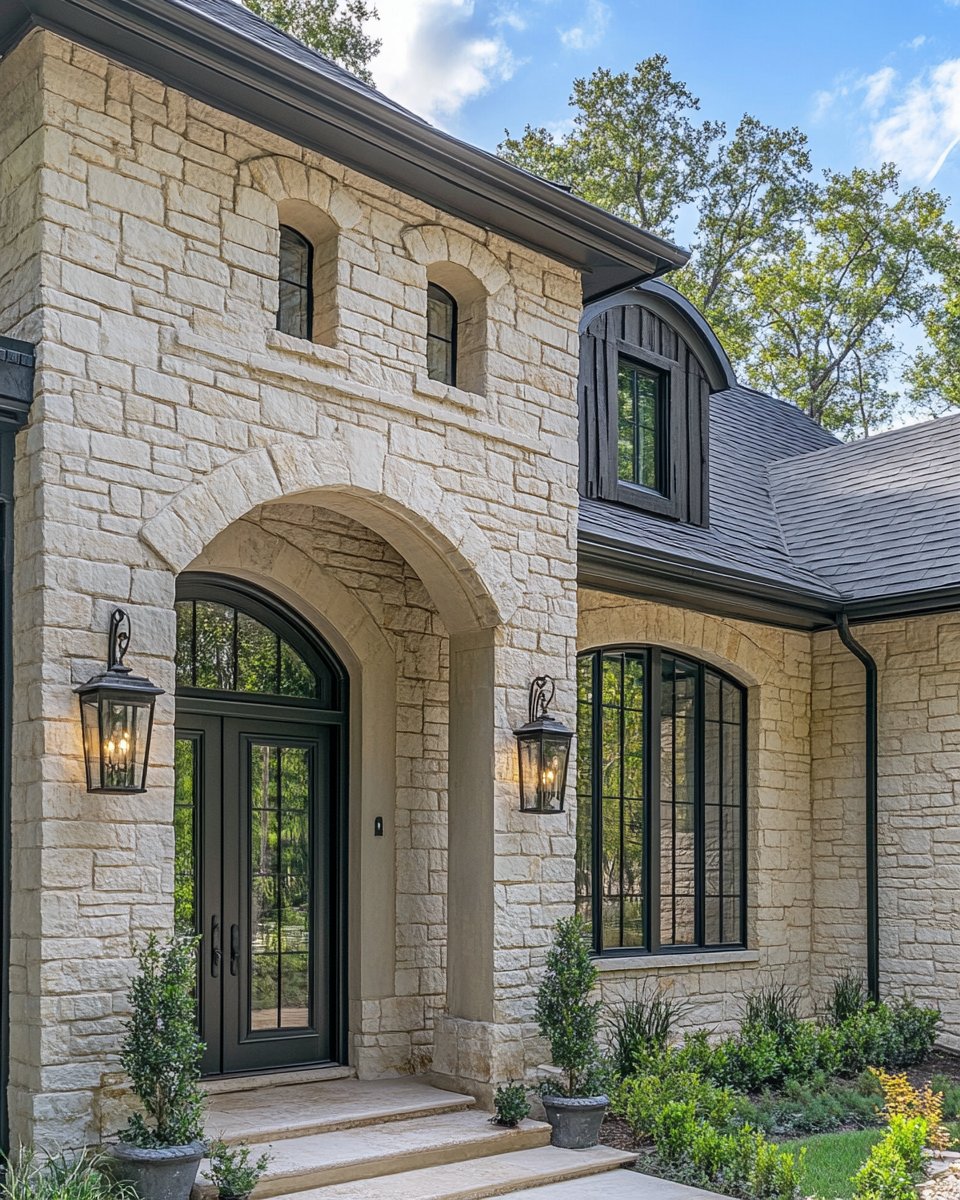
The suburban cities in this comparison lean more heavily toward detached, owner-occupied housing. If you picture a larger lot, more private outdoor space, and a more traditional single-family layout, the suburbs may line up better with your goals.
How Keller, Southlake, and NRH Compare
Keller: Detached-Home Focus
Keller is one of the clearest suburban fits for buyers who want a detached-home lifestyle. Its owner-occupied housing rate is 83.5%, its median owner-occupied home value is $594,300, and 89% of its housing units are single-unit structures.
That data points to a market with a strong single-family character. Keller also pairs that housing profile with parks, trails, Old Town Keller, Keller Town Center, and a community layout that feels more residential than urban.
Southlake: Upscale Suburban Living
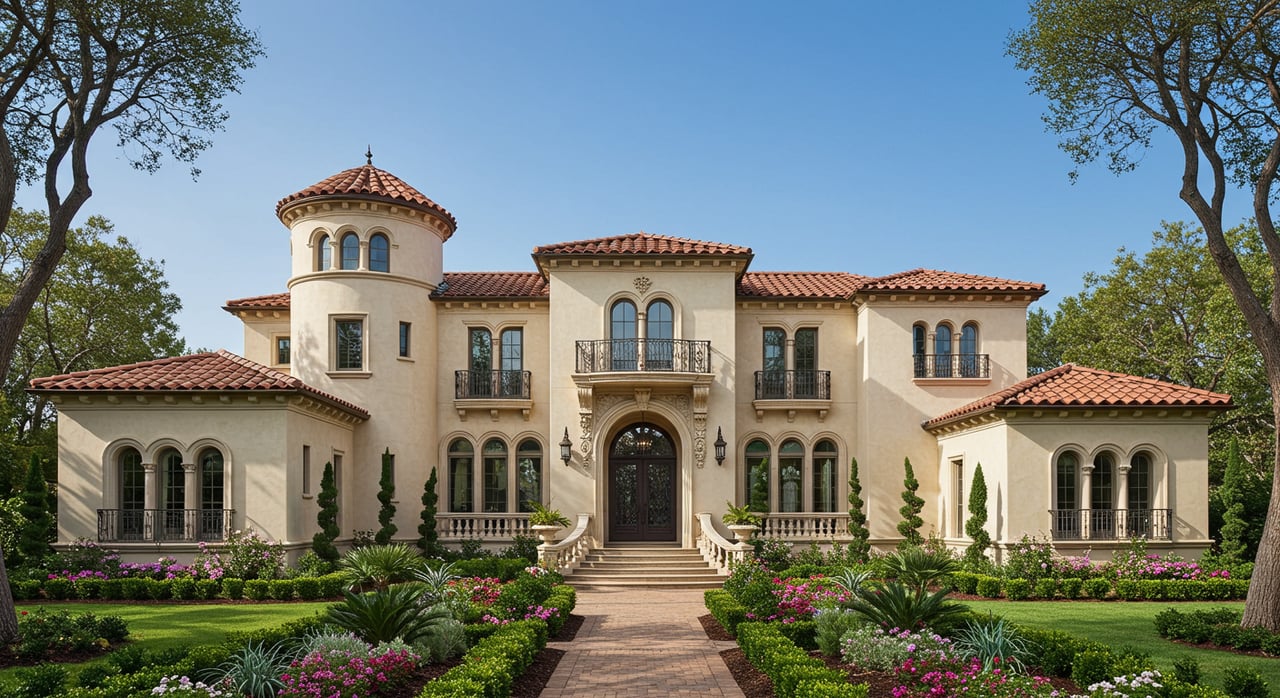
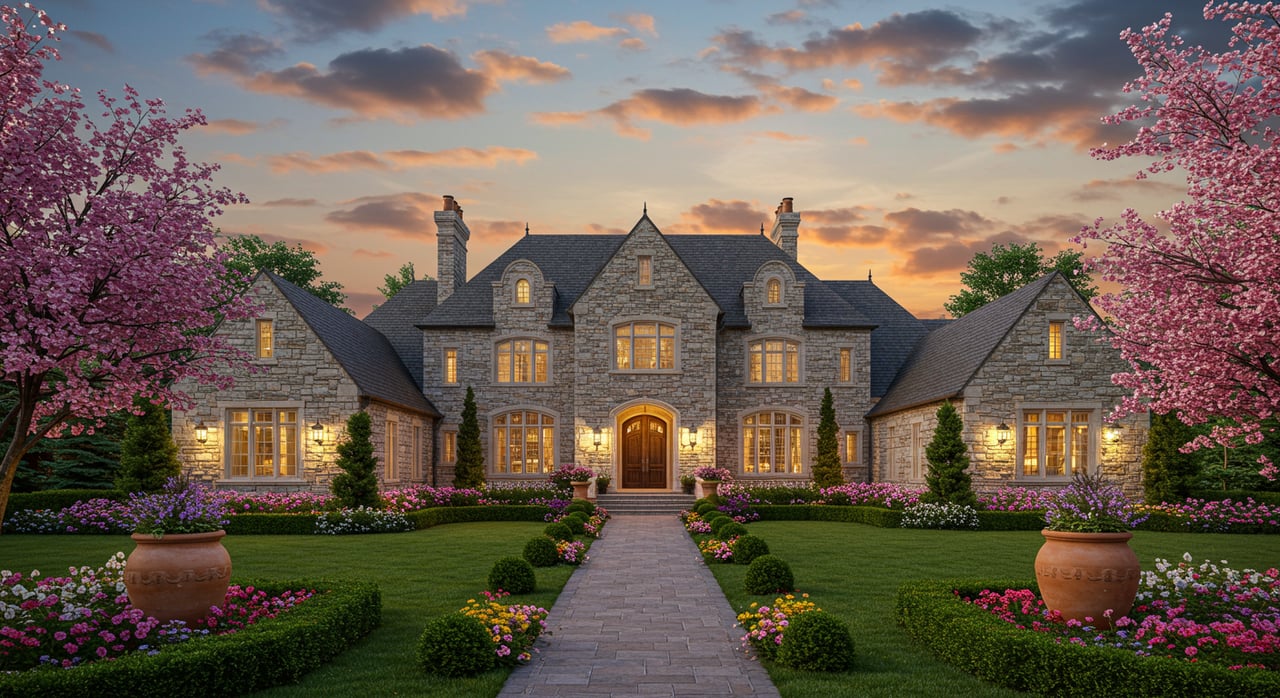
Southlake is the highest-cost option in this group. Its owner-occupied housing rate is 94.6%, and the median owner-occupied home value is $1,014,500.
The city presents Southlake Town Square as its core for retail, dining, entertainment, office, residential, and civic uses. That gives Southlake a walkable mixed-use center, but the overall lifestyle still leans suburban, with a strong focus on parks, open space, and road access.
North Richland Hills: Middle Ground
North Richland Hills sits between Fort Worth and Southlake on the cost spectrum. Its owner-occupied housing rate is 63.5%, its median owner-occupied value is $360,700, and median gross rent is $1,704.
NRH stands out as a middle-ground option because it combines suburban neighborhoods with two TEXRail stations, transit-oriented planning, older established areas, and a strong parks-and-trails system. If you want suburban living without feeling fully car-dependent, this may be a smart area to explore.
Think Beyond Price Per Square Foot
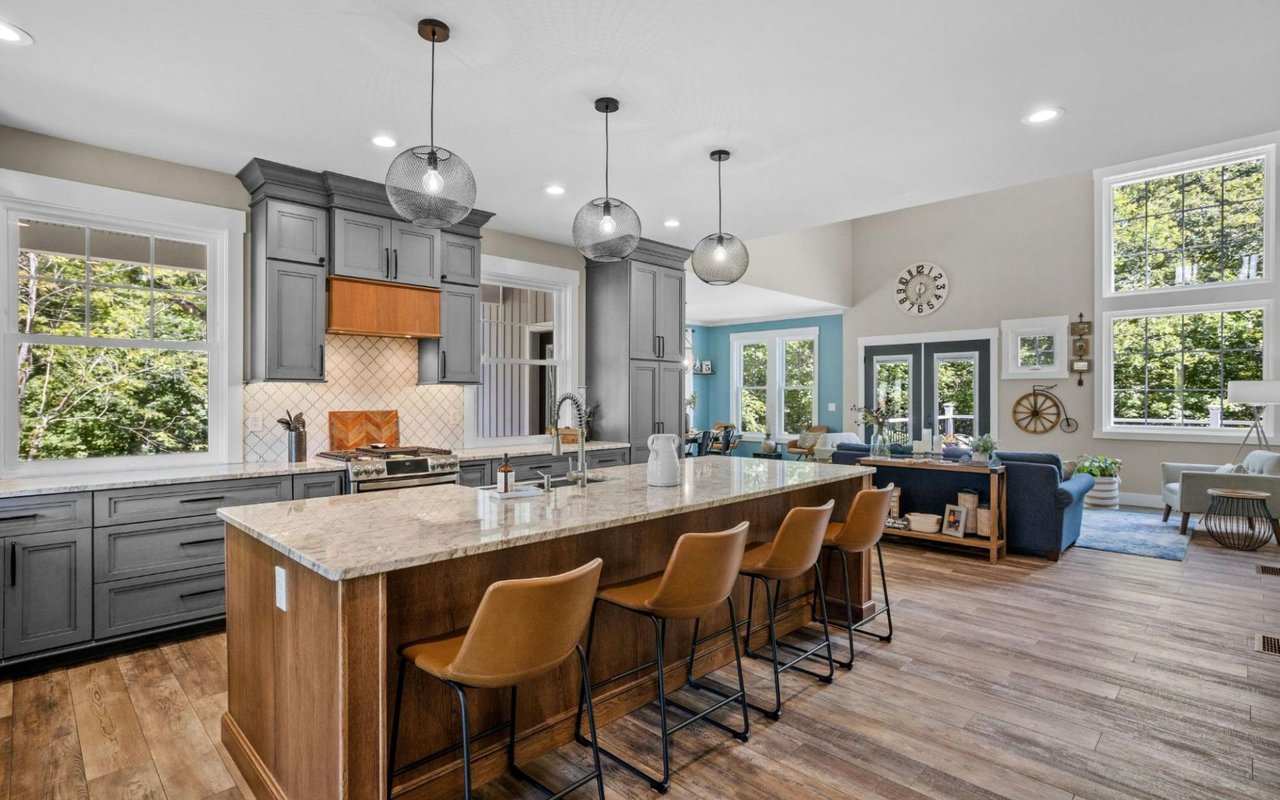
When buyers compare urban and suburban homes, it helps to look beyond price alone. A condo, loft, historic home, or townhome in Fort Worth may offer a different maintenance level, parking setup, and neighborhood experience than a suburban single-family home.
That matters because your day-to-day comfort often comes down to how the property functions, not just what it costs. Ask yourself how much exterior upkeep you want, how important garage or driveway parking is, and whether you prefer a quieter residential setting or a more active mixed-use environment.
Lifestyle and Pace Matter Too
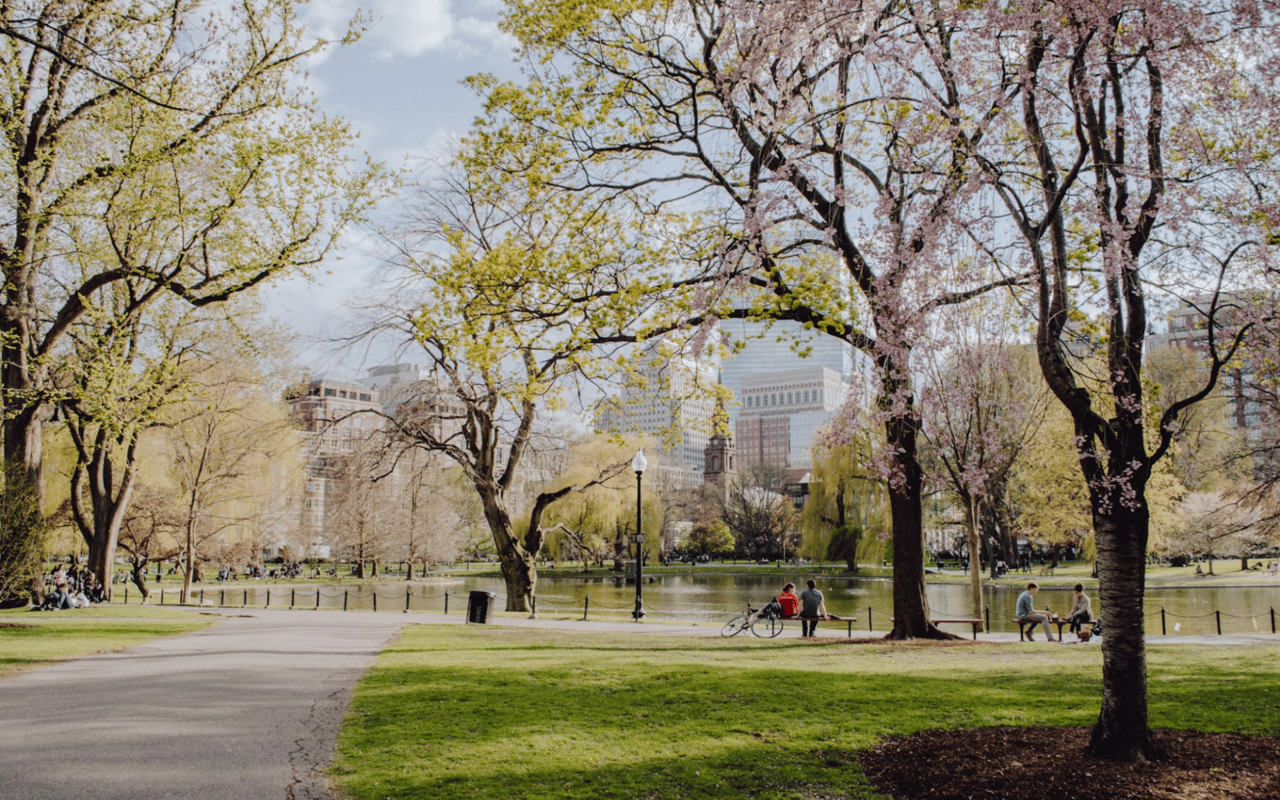
Fort Worth’s urban core offers the widest concentration of lifestyle amenities in this comparison. Downtown, Sundance Square, the Cultural District, the Stockyards, the Botanic Garden, and the Zoo all contribute to a more layered, active city experience.
For some buyers, that means easier access to restaurants, museums, events, and entertainment. It can also mean a faster daily rhythm and a neighborhood setting with more activity around you.
Keller tends to feel smaller-scale and more residential. The city highlights Old Town Keller, Keller Town Center, the Keller Pointe recreation complex, the library, and a citywide parks-and-trails system connected by Big Bear Creek.
Southlake offers an upscale suburban lifestyle centered around retail, dining, civic space, and parks. Southlake Town Square is the most prominent mixed-use center, while the city also emphasizes open space and outdoor amenities like Bob Jones Nature Center and Preserve.
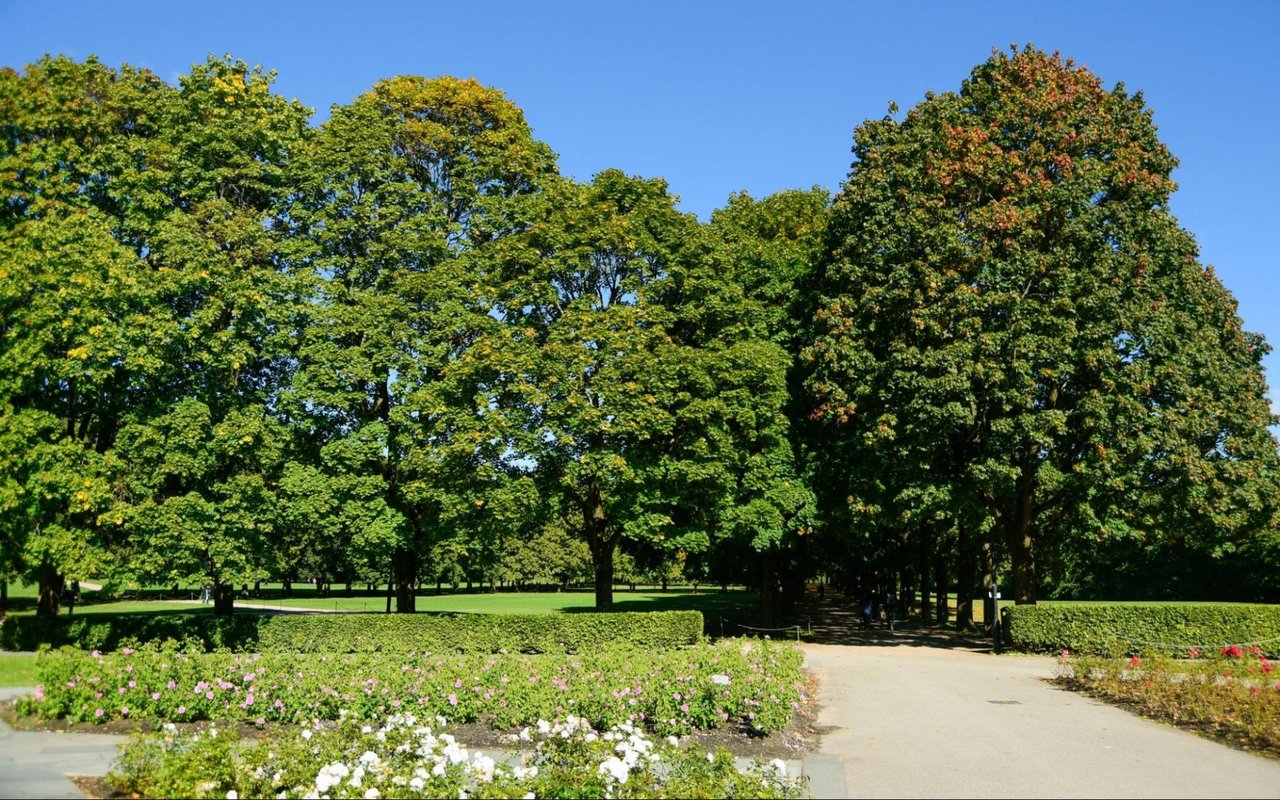
North Richland Hills is especially strong for recreation. The city highlights more than 800 acres of parkland, 34 parks, facilities and trails, 30 miles of hike-and-bike trails, and NRH2O Family Water Park. If outdoor access is high on your list, that can be a major draw.
A Simple Way to Choose
If you are still torn, narrow the decision with four practical questions:
- How often will you commute, and where do you need to go most often?
- How much home and yard maintenance do you want?
- How important is walkability or transit access to your routine?
- What type of home do you want to live in every day?
Your answers can quickly point you in the right direction. Around Fort Worth, those details usually matter more than the urban-versus-suburban label itself.
Which Area May Fit You Best
If you want the strongest urban feel, Fort Worth’s core is the clearest fit. Downtown and Near Southside stand out for walkability, mixed-use development, and a broader range of attached and historic housing options.
If you want a more traditional suburban setting with a strong detached-home profile, Keller is worth close attention. It offers a distinctly residential feel with a housing stock that leans heavily single-family.
If you want an upscale suburban environment with a central lifestyle hub, Southlake may appeal to you. It blends suburban living with a concentrated retail and dining center, though at a notably higher price point.
If you want something in between, North Richland Hills offers a compelling balance. You get suburban neighborhoods, extensive recreation amenities, and stronger rail access than the other suburban options in this comparison.
Choosing between Fort Worth urban and suburban living is really about choosing the setting that supports your routine, priorities, and long-term goals. If you want experienced, thoughtful guidance as you compare neighborhoods across Fort Worth, Southlake, Keller, and North Richland Hills, Julie Gray is here to help you find the right fit with clarity and confidence.
FAQs
What does urban living usually mean in Fort Worth?
- In Fort Worth, urban living usually refers to central areas like Downtown and Near Southside, where mixed-use development, walkability, older housing stock, and attached-home options are more common.
What does suburban living usually mean near Fort Worth?
- Near Fort Worth, suburban living usually means cities like Keller, Southlake, and North Richland Hills, where neighborhoods, parks, trails, road access, and detached homes play a bigger role in daily life.
Are Fort Worth and the suburbs very different for commute times?
- Not necessarily. Mean travel times to work are fairly similar across Fort Worth, Keller, Southlake, and North Richland Hills, so commute style and destination often matter more than the city name.
Which Fort Worth-area suburb has the best rail access?
- North Richland Hills stands out for rail access because it has two TEXRail stations, Iron Horse and Smithfield, along with planning focused on station-area development.
Which Fort Worth-area suburb is the most expensive in this comparison?
- Southlake is the highest-cost option here, with a median owner-occupied home value of $1,014,500.
Which Fort Worth-area suburb best fits buyers who want detached homes?
- Keller is the clearest match for buyers who want a detached-home lifestyle, with 89% single-unit structures and an 83.5% owner-occupied housing rate.
Is Fort Worth urban living better for walkability?
- If walkability is one of your top priorities, Fort Worth’s core is usually the stronger fit because Downtown and Near Southside are described as walkable and pedestrian-oriented mixed-use areas.
What is the best way to choose between Fort Worth urban and suburban living?
- A practical way to choose is to compare your commute needs, maintenance preferences, interest in walkability or transit, and the type of home you want to live in every day.