Most sellers think the foundation conversation ends the moment they check a box. Disclose the repair, price the home to reflect it, and the market handles the rest. That is true right up until a buyer's loan officer asks for two documents the seller never thought to keep, and the deal stalls three weeks into escrow instead of falling apart on day one, when everyone still had time to fix it.
That is the part of a Tarrant County sale that catches sellers off guard. Full, honest disclosure is the legal bar. It is not the financing bar. Those are two different tests, and a home can clear the first one completely and still fail the second.
The disclosure form isn't where foundation problems get solved
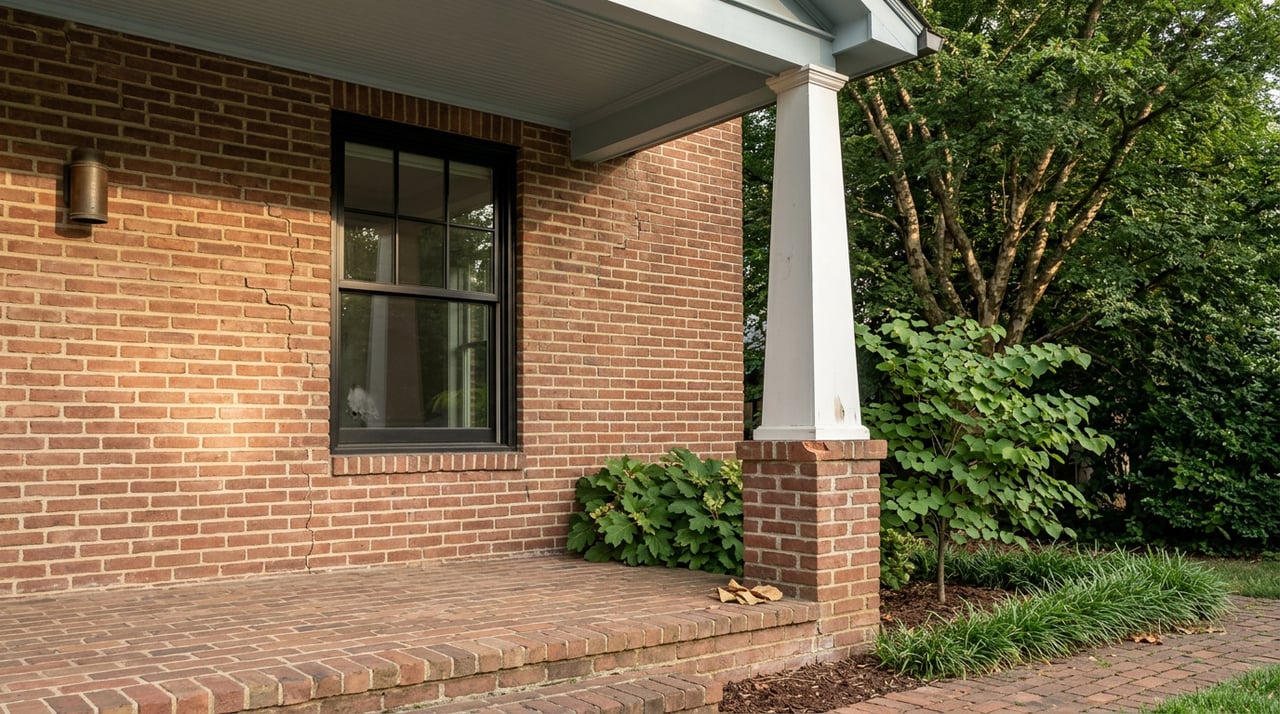
Texas Property Code Section 5.008 requires most sellers of previously occupied homes to hand buyers a written disclosure notice, and the standard form walks through the house system by system, including a direct question about foundation condition and any known repairs. If a seller knows about a defect and leaves it off the form, or leaves the answer vague when visible stair-step cracks are running across the brick, that is the fact pattern that ends up in a Deceptive Trade Practices Act claim, with damages that can run to three times the actual repair cost when a court finds the concealment was knowing.
So sellers do the right thing. They disclose the prior pier work, note the year it happened, and price the home accordingly. In North Tarrant County, that has become one of the most common items on the form, with foundation-related repair credit requests up an estimated 15 to 25 percent over the past two to three years, enough that it now ranks among the most frequent negotiation points in local transactions. Disclosure compliance has genuinely improved. What hasn't kept pace is sellers understanding that a documented, disclosed, fairly priced foundation repair can still be the reason a buyer's financing falls apart.
Why Tarrant County's ground works against you specifically
The reason foundation disclosure shows up this often here, and not in every market, comes down to what is underneath the slab. Much of North Tarrant County sits on the Fort Worth Prairie and Grand Prairie ecoregions, part of the larger Blackland Prairie belt, where the dominant soils are Vertisol clays, including Houston Black clay, Austin Black clay, Denton clay, and San Saba clay. These clays can shrink 30 to 35 percent in volume during a dry summer and swell back when the rain returns, and the active zone where that movement happens typically extends 6 to 12 feet below grade, deeper in the low-lying bottomland areas near the West Fork of the Trinity River. An estimated 70 to 90 percent of lots across the region sit on some form of this expansive clay, and 20 to 40 percent of homes experience measurable foundation movement at some point in their ownership.
Vintage compounds the problem. An estimated 30 to 50 percent of current resale inventory in North Tarrant County was built between 1970 and 2005, a stretch that predates the geotechnical protocols builders use today. Homes from that era, the kind buyers shop for in Keller, Roanoke, and parts of Southlake, often rest on pier-and-beam foundations or early post-tension slabs engineered without a site-specific soil report. New construction in 2026 looks different, with deeper footings, soil-matched post-tension designs, and structural warranties running ten years, which is precisely why a 1985 resale and a 2026 new build in the same neighborhood carry very different foundation risk even at the same square footage.
There is also a seasonal pattern worth knowing before you schedule a listing. Spring and fall are when soil moisture swings the most, which means those are the seasons when cracks, sticking doors, and sloping floors are most likely to surface during an inspection. A home that shows clean in the dead of a dry August might tell a different story in October.
Disclosed and priced right gets a buyer to the table. It doesn't get their loan officer to say yes.
The two documents that decide whether the loan closes
Here is the mechanism most sellers never hear about until it costs them a week of dead air mid-transaction. When a buyer is financing through FHA, VA, or a conventional lender and the home has a disclosed history of foundation repair, the lender generally wants two specific pieces of paper before approving the loan: a copy of the repair warranty showing it is transferable to the new owner, and a letter from a licensed structural engineer certifying that the repair held and the foundation is currently stable.
Neither document is unusual to produce. Most reputable foundation repair companies issue transferable warranties as a matter of course, and an engineer's stability letter is a routine, relatively low-cost inspection. The problem is timing. Sellers who disclose the repair but don't have these two documents in hand when the buyer's lender asks for them are suddenly negotiating on the lender's clock, not their own, often during the same option period when a dozen other things are also due.
| Situation | What the seller has | What typically happens |
|---|---|---|
| Repair disclosed, no documentation | Disclosure notice only | Lender requests warranty and engineer letter mid-escrow; closing delays while seller tracks down paperwork or pays for a new inspection |
| Repair disclosed, documentation ready | Disclosure notice, transferable warranty, current engineer letter | Underwriting proceeds on the standard timeline; buyer's inspection focuses on other systems |
| No repair history, but visible cracking | Disclosure marked "unknown" or silent | Buyer's inspector flags it, "I didn't know" is a hard position when the cracks are visible, engineer evaluation often becomes an option-period condition anyway |
One more thing worth carrying into any listing conversation: standard homeowners insurance in Texas explicitly excludes foundation damage from ordinary soil movement under an earth movement exclusion. That repair, when it happens, comes out of the owner's pocket, not an insurance payout, which is exactly why the warranty and the engineer letter matter so much to a lender evaluating risk on the next thirty years of payments.
Credits are winning over repairs, and that changes your listing strategy
The current pattern in North Tarrant County transactions favors repair credits or price reductions over the seller completing the repair before closing. Sellers avoid the scheduling risk and liability of managing a contractor mid-transaction, and buyers frequently prefer choosing their own repair company rather than inheriting the seller's. That arrangement works well, provided the credit is sized to cover the actual scope, not just the pier installation but any secondary costs like drywall or trim repair that come with it.
What this means practically: if you already know your home has foundation history, get ahead of the credit conversation before you price the listing. A seller who walks into negotiations with the warranty, the engineer letter, and a realistic number for what a comparable repair costs is negotiating from documentation. A seller who is scrambling to locate a fifteen-year-old warranty after an offer is already in hand is negotiating from a weaker position, even if the underlying disclosure was completely honest.
It is also worth knowing that Texas disclosure obligations widened again this year. The Texas Real Estate Commission adopted an updated Seller's Disclosure Notice and a new standalone Water Notice form, both of which became mandatory for contracts signed on or after July 1, 2026. The update adds questions about whether the home currently carries insurance, whether the seller has ever been unable to insure the property, and disclosure of permanently installed generators, private roads, and large storage tanks. None of that changes the foundation question directly, but it signals where TREC is heading: toward more documentation expected up front, not less, which makes the case for gathering your paperwork early even stronger.
If you're listing this fall
Foundation history does not have to be a liability at the negotiating table. It becomes one when the documentation doesn't exist yet and the buyer's lender is the one asking for it first. Before you list, pull together three things: any warranty from prior foundation work and confirmation it transfers to a new owner, a current engineer's letter if the repair is more than a couple of years old, and receipts or records for any other major system repairs the disclosure form will ask about. Tarrant County's own real estate records office keeps filed liens, deeds, and related documents on file if you need to reconstruct a repair history from an old contractor invoice you can no longer find.
A few questions sellers ask
If I sell "as-is," do I still have to disclose the foundation history? Yes. The as-is provision in a Texas contract affects who pays for repairs, not whether you have to tell the buyer what you know. The disclosure requirement under Property Code 5.008 exists independently of any as-is language, and skipping it exposes you to the same DTPA liability whether the sale is as-is or not.
What if I never had repair work done but there are visible cracks? Texas courts hold sellers to a "known or should have known" standard. If a reasonable homeowner would have noticed stair-step cracking in the brick or a door that no longer latches, marking the disclosure "unknown" is a difficult position to defend later. An engineer's evaluation before you list can settle the question either way and gives you documentation to work from during negotiations.
Does my homeowners insurance cover any of this? Almost never. Standard Texas homeowners policies carry an earth movement exclusion that specifically excludes foundation damage from ordinary soil expansion and contraction. Any repair cost, and any negotiation around it, falls entirely on the transaction itself.
Every Tarrant County home carries some relationship with the clay underneath it. The sellers who come out ahead are the ones who treat the paperwork with the same seriousness as the disclosure itself, well before a buyer's lender asks the question first. If you are weighing whether to list this fall and want a clear read on your specific documentation and timing, Julie Gray is a good place to start that conversation.