Three different home-price trackers landed on nearly the same number for Southlake this spring. Redfin put the median sale price at roughly $1.3 million in March 2026. Zillow's home value index showed $1.31 million at the end of April. Orchard's 30-day snapshot in May came in at $1.37 million. For a market known for wild swings between listing services, that kind of agreement is unusual, and it should feel reassuring.
But agreement among the trackers doesn't make the citywide figure a guide to every home.
Southlake's median has held steady even as the city spans at least three price tiers that behave differently, and the citywide median cannot show those differences. A relocation family anchoring on $1.3 million and touring a new build in Carillon will feel priced out of a city they can actually afford. A buyer anchored on $2.5 million after seeing Reserve of Southlake will overpay for a Timarron resale that doesn't carry the same premium. Both mistakes come from trusting the median to describe a house it was never describing.
The address can say Southlake and still mean something different
The first split has nothing to do with square footage or lot size. It runs along a school district line.
Carroll ISD covers most of Southlake, and its reputation is the reason many buyers choose the city in the first place. But there's a pocket west of Davis Boulevard and Randol Mill Road that falls inside Keller ISD, not Carroll. The homes there carry Southlake addresses, sit inside Southlake city limits, and show up in a Southlake search on any portal. The school assignment is different, and in a market where Carroll ISD enrollment drives a meaningful part of the price premium, that difference shows up in what the house is actually worth.
This is the kind of detail a listing photo will never surface and a portal filter will never catch, because the map layer for school boundaries doesn't match the map layer for city limits. It only becomes visible when you ask the specific question about a specific address.
Ask which school district serves this exact address, not which district serves Southlake in general. Then ask the same question about where that boundary sits in two years, not just today.
A second boundary is about to move
Carroll ISD confirmed earlier this year that Durham Intermediate School will close after the 2027-28 school year. The district plans to return to a more traditional structure, with a K-5 elementary campus feeding directly into a 6-8 middle school rather than the current intermediate step.
For a family buying today with a student who will pass through those grades before the change takes effect, this is worth more than a footnote. Feeder assignments that look settled on a school-search widget right now are describing a structure the district has already announced it's retiring. The boundary planning documents are the only place that shift is currently visible, and they're worth reading before writing an offer inside any zone likely to be reassigned.
What the citywide numbers actually show
Put the pricing data next to each other and a pattern shows up that the single median number can't display.
Local market reporting from early 2026 found that well-prepared, well-priced Southlake homes were averaging 49 days on market, while the citywide figure across all listings drifted to 63 to 68 days. Orchard's May snapshot showed a median sale-to-list ratio of 98.75 percent, but also found that 25.81 percent of active listings had taken at least one price reduction, up 12.5 percentage points from a year earlier. Inventory across the city rose roughly 21 percent year over year heading into 2026.
Read together, those numbers describe two groups of listings, not one softening market. A meaningful share of homes are moving quickly and close to asking price. A separate, growing share are sitting long enough to need a price cut, sometimes more than one. The citywide median does not show the full differences between those two realities. A 90-day-old listing with two price cuts isn't telling you about the market. It's telling you about that specific house.
Same city, very different price per square foot
The subdivision names matter here more than the price bands, because they tell you what kind of asset you're actually comparing.
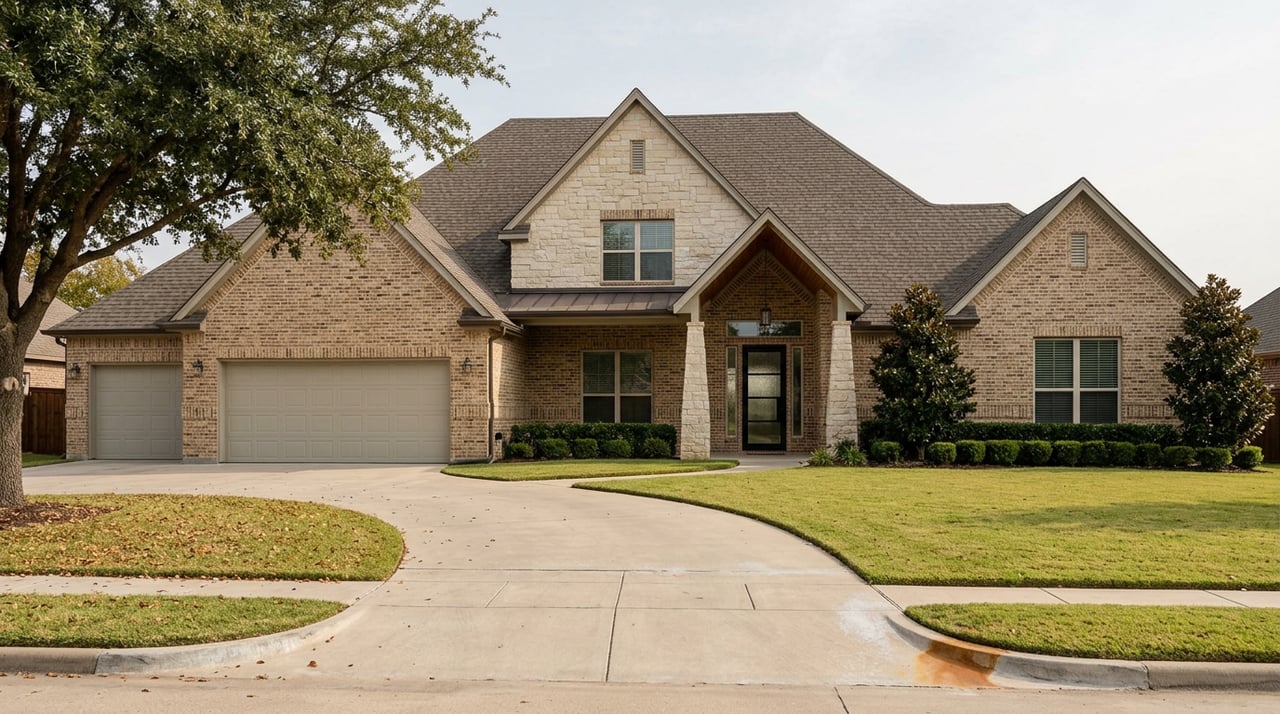
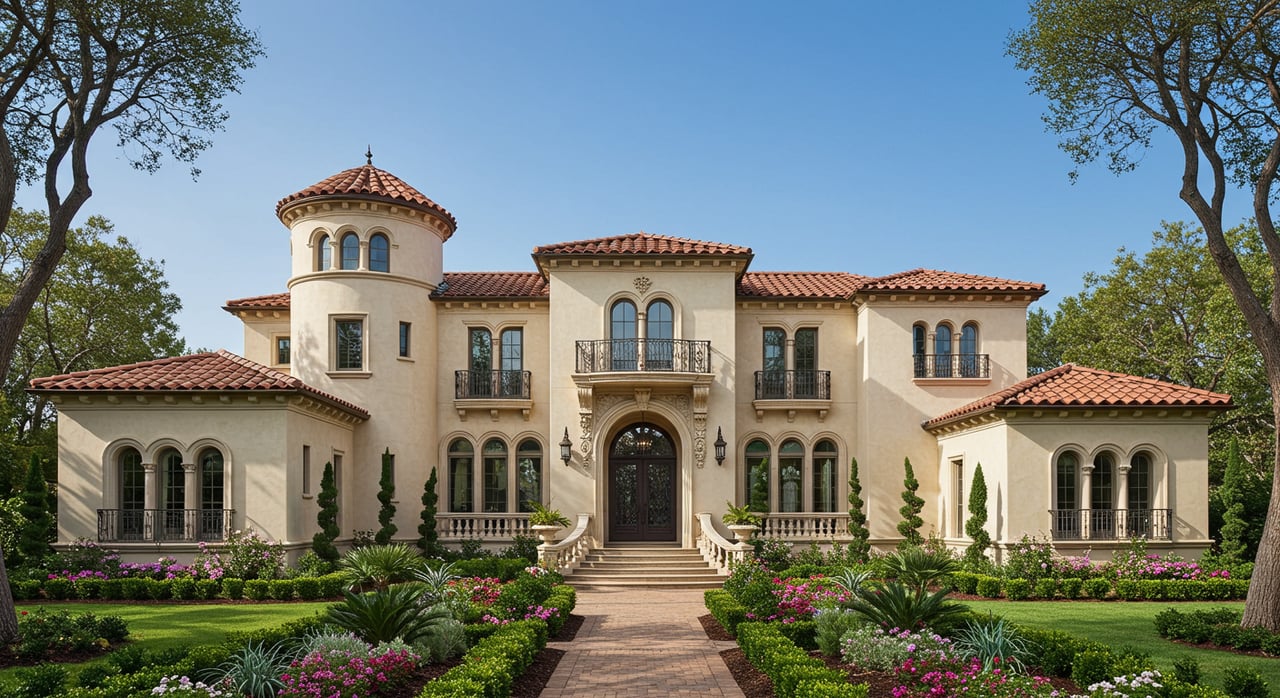
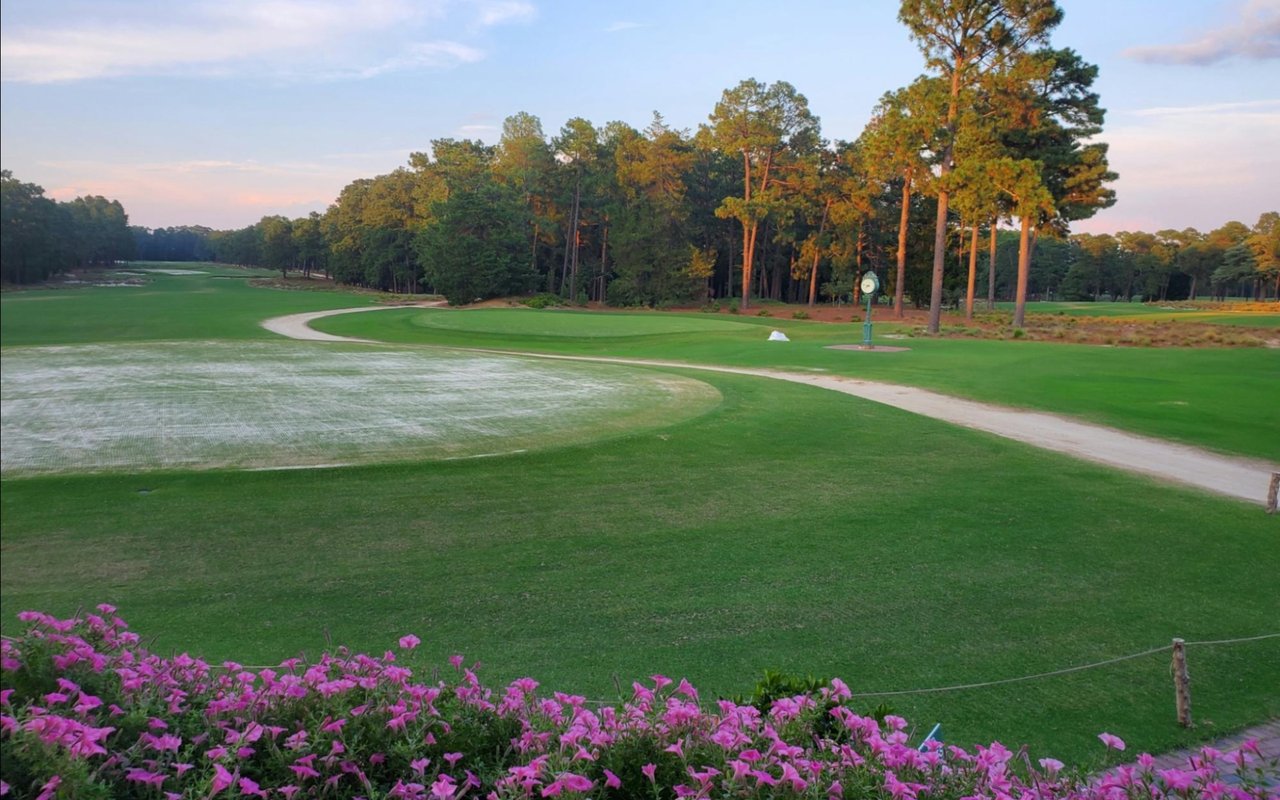
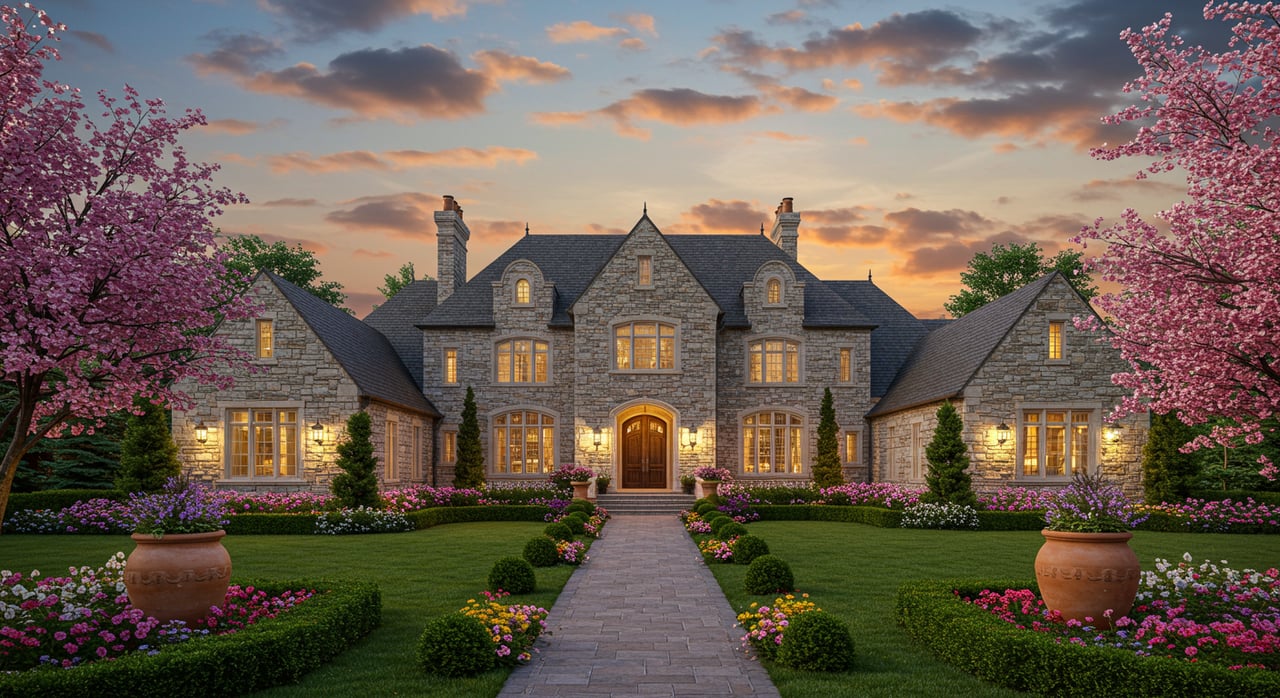
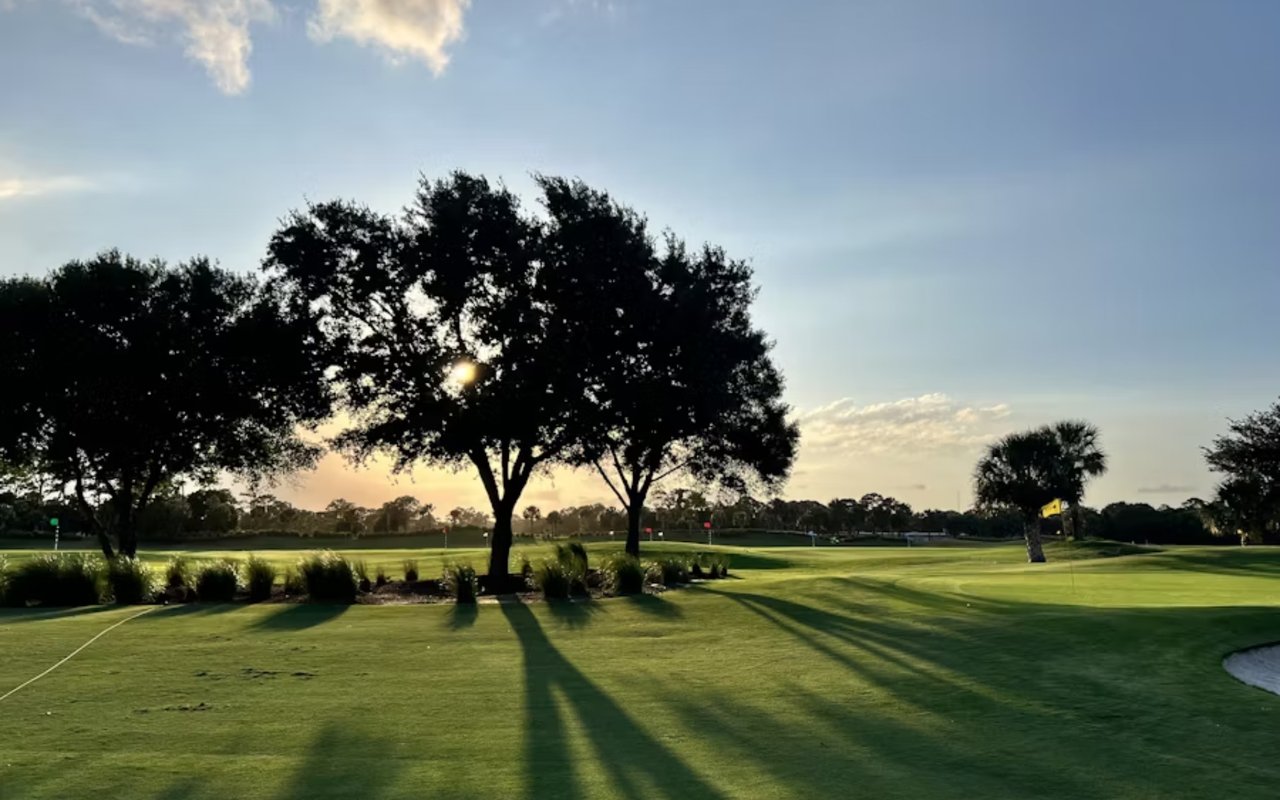
Timarron is the established base of the Southlake market. Country club adjacency, mature landscaping, and deep inventory in the $1.2 million to $2 million range where resales dominate over new construction. The neighborhood's private club runs an 18-hole course designed by Byron Nelson, and the homes around it were largely built when that kind of amenity access was still rare in the city.
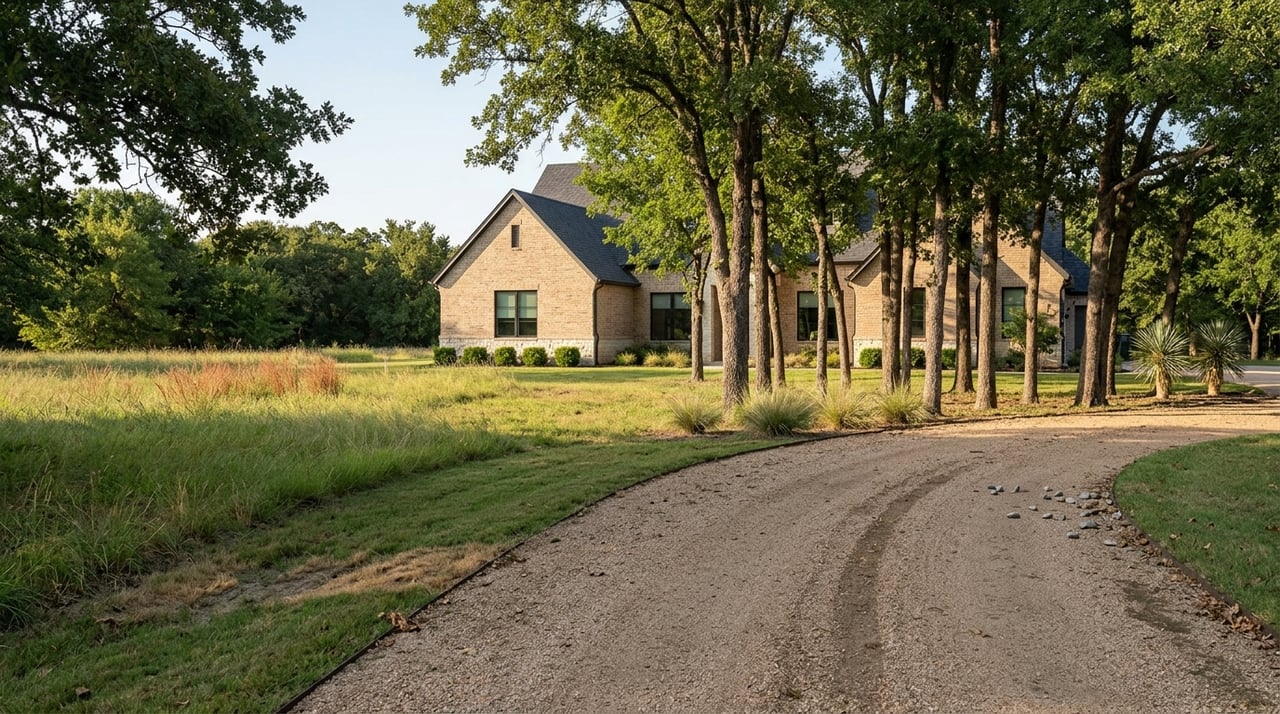
Carillon sits on the newer end. Tighter architectural controls and a younger housing stock push its price per square foot above the citywide median.
Clariden Ranch trades square footage for acreage. Larger lots and more custom builds mean buyers here are pricing in land as much as finish level.
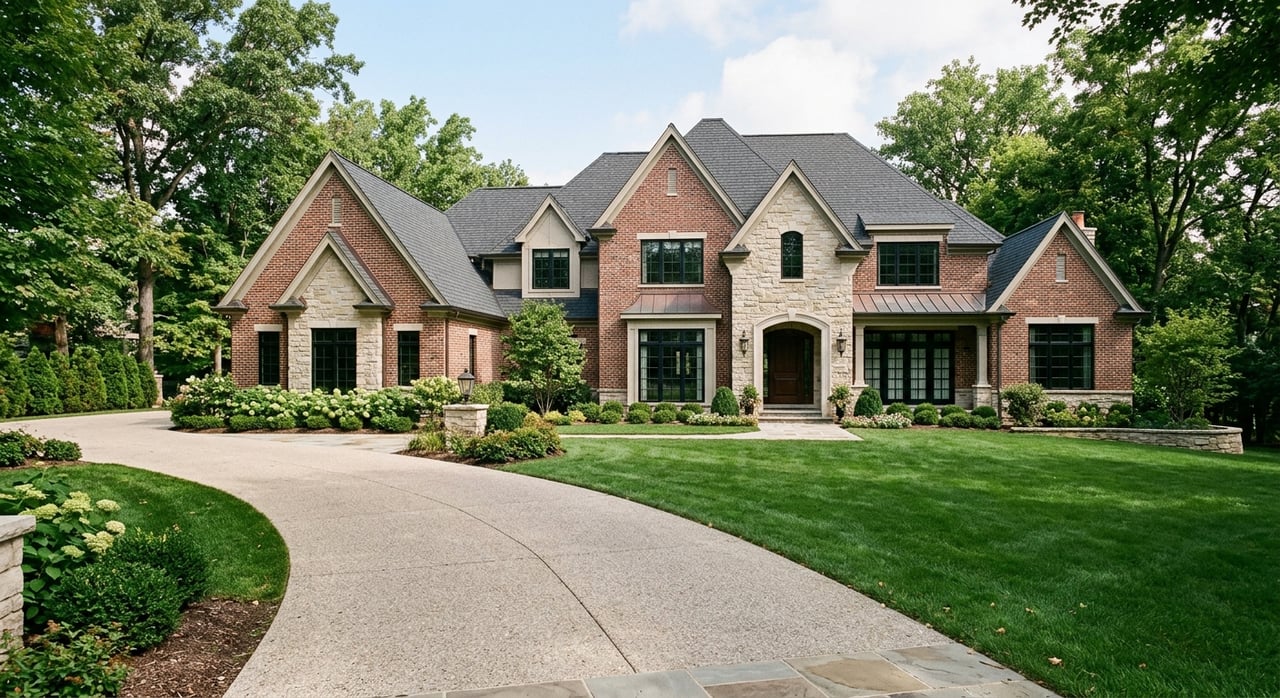
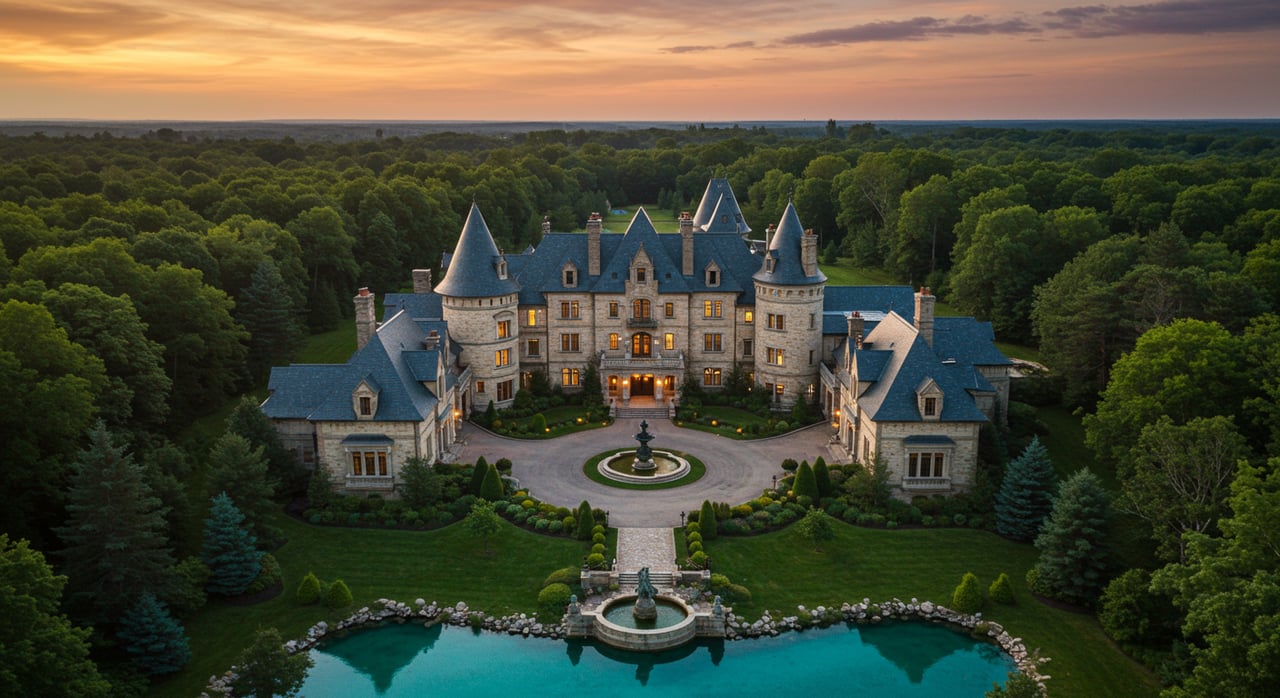
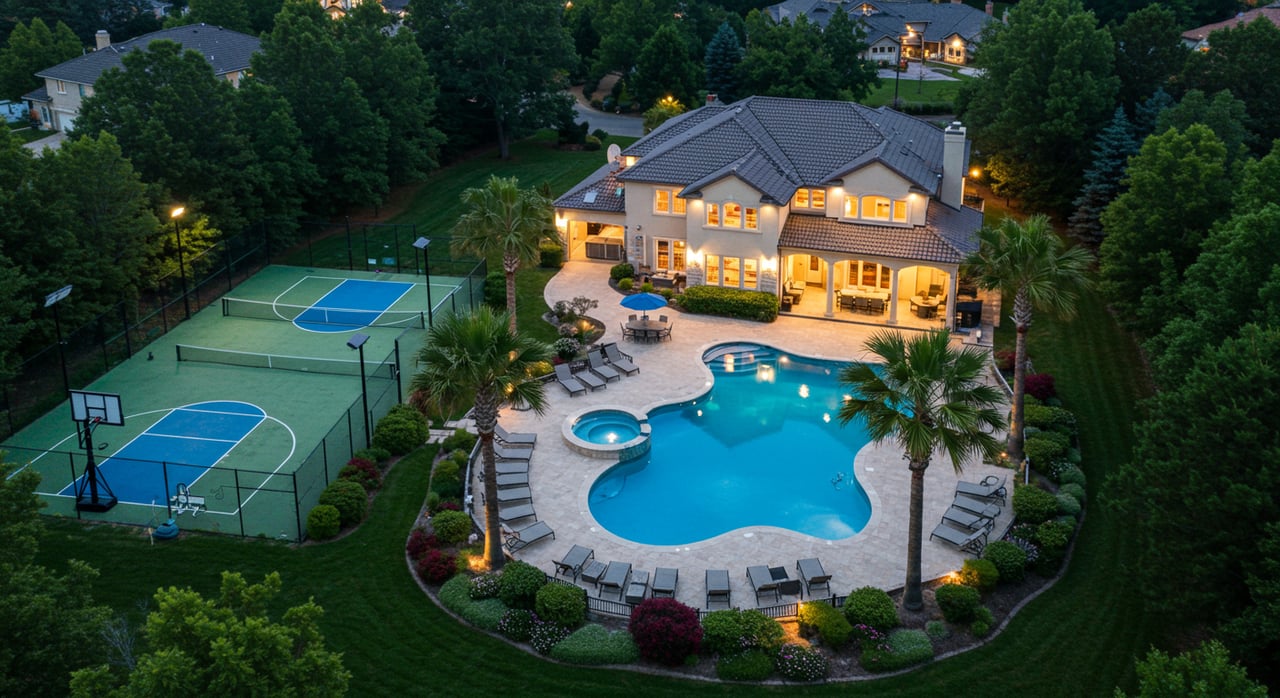
Reserve of Southlake and the homes near Tuscan Ridge sit at the top of the move-up tier, with recent listings showing 5,000-plus-square-foot custom homes trading between $2.5 million and $3.5 million before you cross into true estate territory.
Orchard's citywide price-per-square-foot figure landed near $357 in May 2026. New construction in the 76092 ZIP, including recent listings on Sweet Street, has pushed past $575 per square foot for 2026 builds. That gap of more than $200 a square foot inside a single ZIP code isn't a rounding error in the data. It's the actual reason the median stopped being a useful number to shop against.
What this means if you're touring this fall
None of this suggests Southlake is cooling in any broad sense. The corporate relocation pipeline into North Texas hasn't slowed, and independent industry rankings have placed the Dallas-Fort Worth metro at the top of the country for real estate potential for two years running. That demand is exactly why Southlake's median has moved less than one percent year over year even as inventory has expanded. The fundamentals haven't changed. What's changed is that the market has finally slowed down enough for the details underneath the median to matter again.
If you're comparing Southlake to other Northeast Tarrant County suburbs this fall, the citywide median is a reasonable starting point and a poor stopping point. The more useful questions are specific to the address: which school district actually serves it, which middle school it will feed into after 2028, how many days it's been listed, and how many times the price has already moved. Those answers tell you what you're buying. The median summarizes the city's middle sale price, not the details of every home.
A few questions worth asking before you tour
Is every home with a Southlake address zoned to Carroll ISD? No. A pocket west of Davis Boulevard and Randol Mill Road falls inside Keller ISD despite sitting within Southlake city limits. Confirm the specific address with the district rather than relying on a portal's school-district label.
If Durham Intermediate closes, what happens to a student already enrolled there? The district has confirmed the closure takes effect after the 2027-28 school year, with a return to a traditional K-5 and 6-8 structure. Families buying now with students who will move through those grade levels should ask Carroll ISD directly how the transition applies to a specific address, since boundary planning is still being finalized.
Why do two homes a few streets apart have such different price per square foot? Construction age and lot type usually explain it. Established resale neighborhoods like Timarron price differently than newer, tighter-lot subdivisions like Carillon, and acreage-driven communities like Clariden Ranch price differently still. The subdivision name is often a better predictor of price per square foot than the citywide median.
Is now a good time to buy in Southlake? That depends entirely on which Southlake you're comparing. A well-prepared home in a stable, established pocket is still moving in weeks. A home in a pocket carrying uncertainty around school boundaries or new-construction pricing pressure can sit for months. The citywide days-on-market figure won't tell you which one you're looking at.
If you're weighing Southlake against another Northeast Tarrant County suburb, or trying to figure out what a specific pocket of the city actually supports in price, that's a conversation worth having before you write an offer, not after. Julie Gray has spent almost two decades reading these boundaries block by block. Let's Connect.